
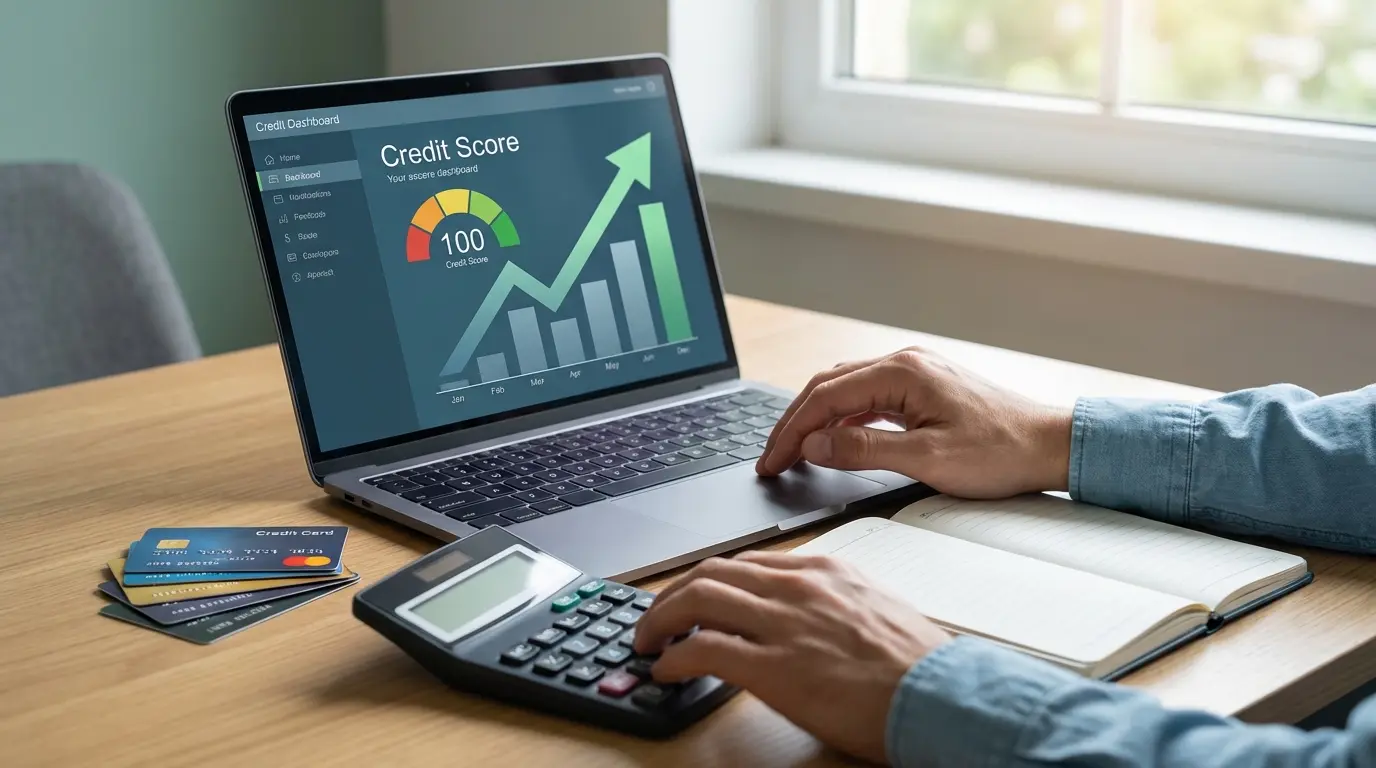
Many consumers assume that eliminating debt immediately boosts their financial profile. You might expect a massive jump in your credit score after making that final payment. However, the answer to the question, does paying off a loan or credit card raise your credit score, is actually much more complicated than a simple cause and effect relationship. Achieving a higher credit score requires a deep understanding of how different types of debt are reported to each major credit bureau. While your checking account and savings account balances do not directly impact your fico® score, they provide the liquidity needed to make a timely minimum payment and manage your monthly credit obligations effectively.
Paying off a credit card affects your credit score differently than closing out a personal loan. Revolving accounts and fixed-term agreements send distinct signals to the major reporting bureaus through your credit report. Let us examine how these different actions impact your overall credit score and credit scores today. By managing your credit card debt and personal loans effectively, you can secure better mortgage rates and auto insurance premiums in the future. Utilizing credit monitoring services can help you track these changes in real-time as you navigate your financial journey.
A credit card represents revolving debt that stays open even after you clear the balance. Eliminating credit card debt almost always provides an immediate boost to your credit score. This positive change to your credit score happens because you lower your credit utilization ratio significantly. When you check your credit report, you will see that utilization is a primary factor in your fico® score calculation. High utilization suggests to lenders that you may be overextended and poses a higher risk for future lending.
Your credit utilization compares your current credit card balance to your total available limits across all credit cards. Experts suggest keeping this number below thirty percent to maintain a strong credit score. Wiping out a large card balance on a credit card drops this percentage and signals responsible personal finance management. This action is often the fastest way to see an increase in your credit scores before applying for an auto loan or seeking new insurance quotes. Lenders view a low utilization rate as a sign of financial stability and disciplined spending habits.
You should keep the credit card account open after paying it off completely. Closing the credit card reduces your available limits and shortens your overall credit history. An older credit history shows lenders that you have extensive experience managing different financial obligations. Maintaining open credit cards with zero balances is a key part of long-term debt management and improving your credit reports. If you are on active duty, you may also have additional protections regarding interest rates and account management that further benefit your score.

How Balances Affect Your credit score and credit scores
Making just the minimum payment on a credit card keeps your credit account current but fails to reduce principal. Carrying high balances month after month drags down your credit score over time. If you want a better credit score, you must aggressively attack that outstanding credit card debt. Your payment history is the most critical component of any scoring model, so never miss a due date. Consistent, on-time payments demonstrate to creditors that you are a reliable borrower who honors financial commitments.
Paying off multiple credit cards requires a clear strategy and consistent monthly credit payments. Some people prefer the avalanche method to tackle the highest interest credit card rates first. Others use the snowball method to build momentum by clearing small card debt balances quickly. You might also consider debt consolidation through personal loans if the personal loans rates are lower than your current credit card rates. This approach can simplify your finances by merging multiple high-interest payments into a single, more manageable monthly installment.
- Wiping out credit card debt lowers your credit utilization and boosts your credit score.
- Keep your credit card accounts open after paying them off to preserve your history length.
- Choose a specific payoff strategy to eliminate high card debt balances efficiently across all credit cards.
Installment Debt Analysis: What Happens When You Pay Off a personal loan and How it Affects credit scores?
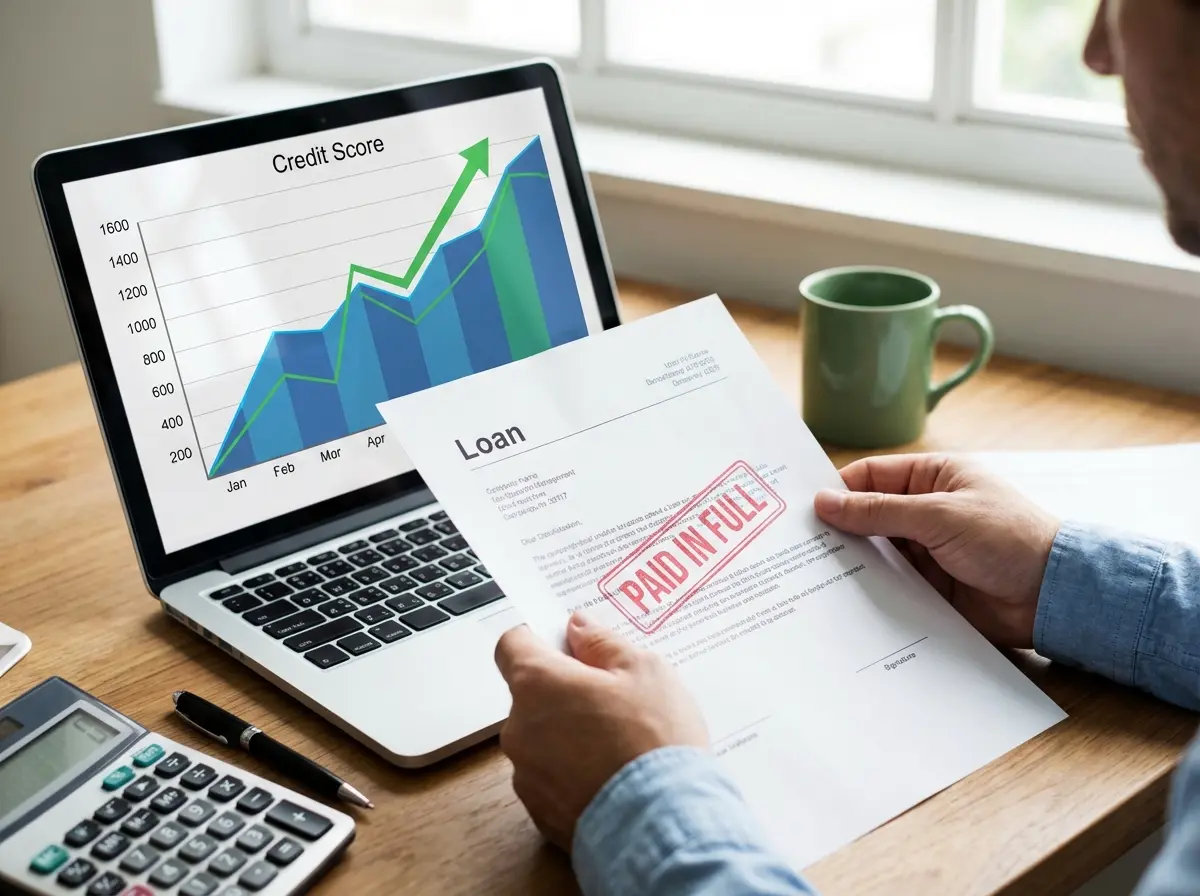
A personal loan functions as an installment loan with a fixed repayment schedule. You make a specific monthly payment until the balance reaches zero and the account closes. You might feel surprised to see your credit scores drop slightly after that final payment. This is a common point of confusion when asking, does paying off a loan or credit card raise your credit score. While it seems counterintuitive, the closure of an account can sometimes lead to a temporary reduction in your overall rating.
This temporary dip happens because closing the account affects your active credit mix. Scoring models prefer to see consumers managing both credit cards and fixed installment agreements simultaneously. Losing an active personal loan removes one piece of that favored active debt combination. However, the positive payment history from that personal loan will remain on your credit report for ten years. This long-term record of reliability is ultimately more important than a minor, short-term fluctuation in your points.
The loan rate you originally secured also plays a role in your overall financial health. If you had a high loan rate, paying it off early saves you significant money in interest. While your credit score might see a small, short-term decline, your debt-to-income ratio improves. This improvement makes it easier to qualify for better mortgage rates or a future auto loan when you need one. Reducing your total debt burden frees up cash flow in your checking account for other investments or emergency savings.
Educational Debt: How a student loan Payoff Impacts Your Financial Profile

Managing a student loan is often a decades-long commitment for many graduates. Because a student loan is an installment debt, paying it off has a similar effect to paying off personal loans. You may see a slight decrease in your credit scores once the account is marked as closed. However, student loans are often some of the oldest accounts on a credit report. Their closure can impact the average age of your accounts, which is a significant factor in your fico® score.
Despite the potential for a small dip, paying off student loans is a major financial milestone. It reduces your total debt and eliminates a recurring monthly obligation, which improves your ability to save. When you clear a student loan, you are also demonstrating a long-term commitment to debt repayment. This history of consistent payments is highly valued by lenders when you apply for other types of credit. You should always check your free credit score after such a major payoff to see how the bureaus have updated your file.
If you have multiple student loans, you might consider which ones to target first based on interest rates. Paying off a high-interest student loan early can save you thousands of dollars over the life of the debt. While the credit score impact is important, the real-world savings are often more beneficial to your long-term wealth. Always ensure you receive a formal letter of satisfaction once your student loan is fully repaid. This documentation is vital if there are ever discrepancies on your credit reports regarding the status of the account.
Understanding Your Credit Mix: Comparing Revolving credit cards to Installment Debt
Understanding the difference between revolving credit cards and installment debt is essential for any credit score strategy. Revolving credit, like a credit card, allows you to borrow and repay repeatedly up to a limit. Installment debt, such as student loans, an auto loan, or a car loan, involves a set amount borrowed once. Each type of debt is treated differently by the algorithms that determine your credit scores. A healthy credit mix includes a variety of these account types to show you can handle different lending structures.
When you look at the main content of your credit report, you will see how these accounts are categorized. Lenders like to see that you can manage both the flexibility of a credit card and the structure of personal loans. If you only have credit cards, adding an installment loan might actually improve your credit score. Conversely, if you only have installment loans, opening a credit card and using it responsibly could provide a boost. This balance is what experts refer to when they discuss the importance of a diverse credit mix.
Maintaining this balance requires careful planning and a clear understanding of your financial goals. You should not open new accounts just to change your credit mix if you do not need the credit. Every new application results in a hard inquiry, which can temporarily lower your credit scores. Instead, focus on managing your existing credit card balances and making timely payments on your personal loans. This steady approach will lead to a more resilient and higher credit score over time, regardless of individual account closures.
Debt Reduction Strategies: Does paying off a loan or credit card raise your credit score?
The strategy you choose to eliminate debt can have a significant impact on your credit score. If your goal is an immediate boost, focusing on credit card balances is usually the most effective path. By reducing your utilization, you are addressing one of the most heavily weighted factors in credit scores. However, if you are looking to save money on interest, targeting high-rate personal loans might be the better financial move. Both actions contribute to a healthier financial profile, even if the credit score response varies.
Before you start, it is wise to obtain a free credit report from each of the three major bureaus. Reviewing these credit reports allows you to identify any errors that might be holding your credit score back. You can also see exactly which accounts are impacting your credit scores the most. Once you have a clear picture, you can decide whether to prioritize your credit card debt or your student loan balances. Having a plan prevents you from making haphazard payments that do not maximize your score’s potential.
Another strategic consideration is the timing of your payments. Many credit card issuers report your balance to the bureaus on your statement closing date, not your due date. If you pay off your credit card before the statement closes, your credit report will show a lower balance. This can result in a higher credit score even if you use the card regularly. For personal loans, making extra payments toward the principal can shorten the loan term and reduce the total interest paid. These small tactical adjustments can lead to significant improvements in your fico® score over several months.
Security and Privacy: Protecting Your credit score from identity theft
As you work to improve your credit score, you must also take steps to protect it from external threats. Identity theft can undo years of hard work in a matter of days. Monitoring your credit reports regularly is the first line of defense against fraudulent accounts. If you notice a credit card or personal loan you didn’t open, you must act immediately to dispute the error. Most credit monitoring services will alert you to these changes so you can respond quickly.
In addition to monitoring, you should be aware of your privacy choices regarding your financial data. Many companies share your information for marketing purposes, which can lead to an influx of pre-approved credit offers. Reviewing the privacy statement of your bank or credit card issuer can help you understand how to opt-out of this sharing. Protecting your personal information reduces the risk of your data falling into the wrong hands. This proactive stance is essential for maintaining the integrity of your credit scores and your overall financial identity.
For those on active duty, a “military freeze” or “active duty alert” can provide extra layers of security. This requires creditors to take extra steps to verify your identity before granting new credit in your name. Even if you are not in the military, you can place a security freeze on your credit reports at any time. This prevents new lenders from accessing your file, making it much harder for identity thieves to open a credit card or personal loan. These security measures are a vital part of a comprehensive credit score management strategy.
The Bigger Picture: Does paying off a loan or credit card raise your credit score?
When asking, does paying off a loan or credit card raise your credit score, it is important to look beyond the number. A high credit score is a tool that grants you access to better financial opportunities, such as lower auto insurance rates. However, the ultimate goal is financial freedom and the ability to manage your monthly credit without stress. Paying off a student loan or a credit card improves your net worth and reduces your financial risk. These benefits are valuable even if your credit scores experience a temporary fluctuation during the process.
Your checking account and savings account are also part of this bigger picture. While they don’t show up on a standard credit report, they provide the foundation for your financial life. Having a robust emergency fund allows you to continue making payments on your personal loans even during a job loss. This prevents defaults and late payments, which are the most damaging events for any credit score. By balancing debt repayment with savings, you create a stable environment where your credit scores can thrive naturally over the long term.
Finally, remember that credit scores are dynamic and change as new information is reported. Obtaining a free credit score once a month can help you stay informed about your progress. Whether you are paying off a credit card or a student loan, consistency is the key to success. Over time, your credit report will reflect your hard work and responsible management. This will open doors to better rates on everything from personal loans to home mortgages, securing your financial future for years to come.
Conclusion: Long-term Credit Health
In conclusion, the journey to a better credit score is a marathon, not a sprint. While paying off a credit card usually provides a quick boost, paying off personal loans might cause a temporary dip. Understanding these nuances allows you to make informed decisions that align with your broader financial goals. By maintaining a diverse credit mix and monitoring your credit reports, you can navigate the complexities of the credit system with confidence. Always prioritize on-time payments and low utilization to ensure your fico® score remains as high as possible.
Ultimately, the answer to does paying off a loan or credit card raise your credit score depends on your unique credit profile. However, the benefits of being debt-free—such as lower stress and more money in your savings account—always outweigh a few points on a graph. Continue to educate yourself on privacy choices and security to protect your hard-earned progress. With a strategic approach and a focus on long-term health, you can achieve and maintain the credit scores you need to reach your financial dreams.