

Managing multiple high-interest debts often feels like running on a treadmill without making real progress. A debt consolidation loan offers a practical path to streamline your monthly payments into one manageable bill. While this financial strategy provides immediate relief, you must understand how getting a debt consolidation loan affects your credit score long term to protect your financial health.
Many borrowers expect their credit scores to jump the moment they pay off their credit cards. The reality of credit scoring models is slightly more complicated than that simple assumption. Your score will actually go through several distinct phases of fluctuation before stabilizing at a higher number.
This guide breaks down exactly what happens to your credit report when you consolidate your debt. We will track the timeline from the initial application all the way through the final loan payoff. Understanding this timeline helps you make informed financial decisions that protect your future borrowing power.
Have you ever wondered why applying for a personal loan for debt consolidation sometimes drops your credit score slightly? Lenders initiate a hard inquiry on your credit report to review your financial history before approving you. This standard procedure typically lowers your overall credit score by about five to ten points immediately.
According to FICO scoring data, a single hard inquiry rarely causes significant damage by itself. Opening the new loan also introduces a brand new account to your established credit history. This new account temporarily reduces the average age of your credit profile, causing another minor score dip.
Credit Score Impact: Changes to Your Credit Utilization Ratio and Revolving Debt
The most dramatic immediate change occurs within your credit utilization ratio after the loan funds disburse. Credit utilization measures how much of your available revolving debt you are currently using at any given time. Maxed-out credit cards severely penalize your score because they signal high financial stress to potential lenders.
When you use the consolidation loan to pay off those cards, your revolving balances drop to zero. Installment loans do not factor into your revolving credit utilization ratio at all. Therefore, your credit profile suddenly shows vast amounts of available credit with almost zero utilization.
- Hard inquiries cause a temporary five to ten point drop in your credit score during the application process.
- Opening a new loan lowers the average age of your credit accounts initially.
- Moving revolving debt to an installment loan dramatically improves your credit utilization ratio overnight.
The Recovery Phase: Rebuilding Your FICO Score and Credit Report During Your First Year
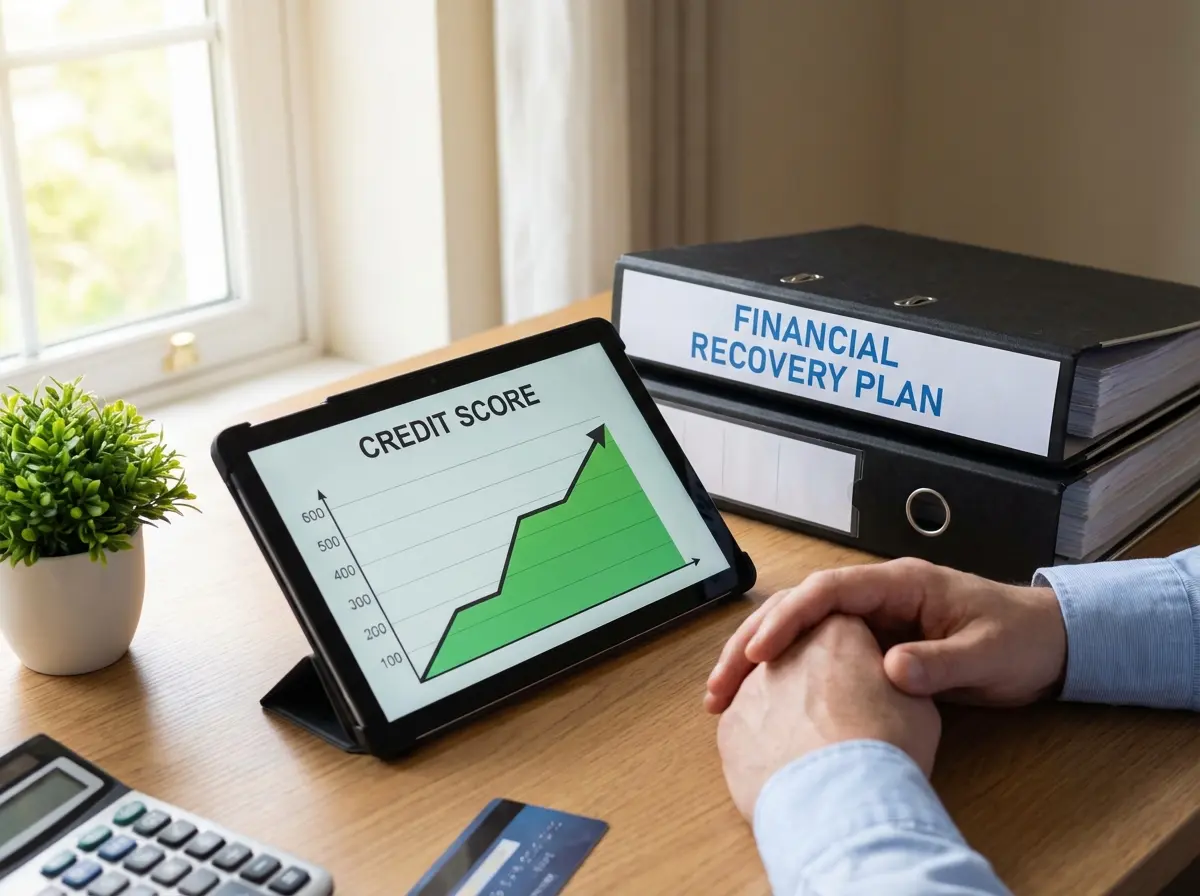
After the initial drop from the hard inquiry, your credit score typically enters a steady recovery phase. This rebound relies entirely on your ability to make every single installment loan payment on time. Payment history accounts for 35 percent of your total credit score calculation across major scoring models.
As you build a track record of consistent payments, lenders begin to view you as less risky. The minor negative impact of the initial hard inquiry also starts to fade rapidly after six months. Most borrowers notice their scores steadily climbing past their pre-consolidation levels by the end of year one.
You might feel tempted to close your old credit card accounts once they have a zero balance. Experian credit experts strongly advise against closing old accounts because it reduces your total available credit limit. Keeping those accounts open with zero balances provides a massive boost to your ongoing credit utilization ratio.
Keep your zero-balance credit cards open after paying them off with the consolidation loan. Closing them will reduce your total available credit and severely harm your utilization ratio over time.
Long-Term Effects: Strengthening Your Credit Report and Credit Score After Two to Five Years

Moving into the second year and beyond, the debt consolidation loan becomes a powerful anchor for your score. The account now contributes positively to your average credit age as it steadily matures over time. You are consistently paying down the principal balance, which demonstrates excellent long-term financial responsibility to future lenders.
Your credit report also benefits from a sustained period of low revolving debt balances. If you pay off your credit cards each month, your utilization stays in the optimal single-digit range. This sustained responsible behavior proves that the consolidation was a permanent fix rather than a temporary band-aid.
Improving Your FICO Score: Building a Diverse Credit Mix with an Installment Loan
Credit scoring algorithms heavily reward borrowers who successfully manage different types of credit products simultaneously. If your previous history consisted entirely of credit cards, adding an installment loan diversifies your overall portfolio. This specific factor accounts for 10 percent of your FICO score and helps push your score higher.
A healthy credit mix shows mortgage lenders and auto financiers that you can handle structured monthly payments. Installment loans require a different kind of financial discipline than flexible revolving credit lines do. Mastering both types of debt signals that you are a highly reliable borrower for large future purchases.
The Role of Debt-to-Income Ratio and Personal Loans for Debt Consolidation in Future Borrowing
Your actual credit score does not directly factor in your income or your overall debt-to-income ratio. However, lenders look closely at this critical metric alongside your credit score when evaluating new loan applications. A debt consolidation loan often helps lower your required monthly obligations by securing a lower interest rate.
As you aggressively pay down the principal balance over several years, your total outstanding debt decreases significantly. This steady reduction improves your debt-to-income ratio, making you a much stronger candidate for a home mortgage. Financial institutions generally prefer borrowers who dedicate less than 36 percent of their gross monthly income to debt.
If you plan to buy a house, you must calculate your current debt-to-income ratio regularly. A pristine credit score will not secure a mortgage if your monthly debt payments consume your entire paycheck. The consolidation loan serves as a structured tool to force that total debt burden down over time.
Strategic Steps: How to Maximize Your Credit Score After Debt Consolidation
Acquiring the consolidation loan is only the first step in your long-term financial recovery journey. You need a deliberate strategy to protect your credit profile and prevent future debt accumulation. Following a few strict rules will help you extract the maximum benefit from your new installment loan.
Many borrowers fall back into old habits because they lack a concrete plan for managing their new financial situation. You must treat this loan as a hard reset for your personal finances and spending behaviors. Implement these specific steps immediately after your loan funds disburse to secure your credit score growth.
Implementation Strategy
Automate Your Monthly Payments
Set up automatic transfers directly from your checking account to your loan provider to guarantee on-time payments.
Monitor Your Credit Reports
Check your credit files across all three major bureaus to verify the old accounts show as paid in full.
Freeze Your Credit Cards
Physically secure your zero-balance credit cards so you cannot use them for impulse purchases while paying off the loan.
Protecting Your Credit Report: Common Pitfalls: Avoiding New Revolving Debt and Late Payments
The most significant threat to your long-term credit health is the overwhelming temptation of open credit lines. Many borrowers see zero balances on their credit cards and slowly start using them for everyday purchases again. This behavior creates a dangerous cycle where you now carry revolving debt alongside your consolidation loan.
Are you prepared to change your spending habits permanently to avoid this exact scenario? Accumulating new revolving debt while paying off a consolidation loan will send your credit score into a freefall. Your credit utilization will spike, and lenders will flag you as an extremely high-risk borrower.
Running up new balances on your cleared credit cards is the primary reason debt consolidation fails. Cut up the physical cards if you struggle with overspending, but leave the accounts open.
Missing a payment on your new consolidation loan will also severely damage your credit recovery efforts immediately. A single payment that is 30 days late can drop an excellent credit score by up to 100 points. According to TransUnion reporting guidelines, late payments remain on your credit file for seven full years.
You must prioritize this monthly installment obligation above all other discretionary spending in your budget. Set up calendar alerts a few days before the due date if you choose not to use autopay. Protecting your flawless payment history is the single most effective way to guarantee long-term credit score improvements.
- Long-term credit growth requires strict adherence to your monthly payment schedule without exceptions.
- An installment loan improves your credit mix, which accounts for 10 percent of your total FICO score.
- Accumulating new credit card debt after consolidation is the biggest threat to your financial recovery.
Conclusion: Managing How Getting a Debt Consolidation Loan Affects Your Credit Score Long Term
A debt consolidation loan serves as a highly effective tool for improving your financial standing over time. While you will experience a slight initial drop in your credit score, the long-term benefits far outweigh this setback. By restructuring high-interest revolving balances into a predictable installment loan, you create a clear roadmap out of debt.
Your ultimate success depends heavily on your financial discipline in the years following the initial consolidation. If you consistently make on-time payments and avoid accumulating new credit card balances, your credit score will steadily climb. You will eventually build a robust credit profile that commands better interest rates and future borrowing opportunities.
Remember that rebuilding credit is a marathon rather than a quick sprint to the finish line. Stay focused on reducing your overall debt burden while keeping your older credit accounts open and active. With patience and strict budgeting, your consolidation loan will help you achieve lasting financial stability and excellent credit.