

Missing a debt payment causes severe anxiety for many borrowers who are currently facing unexpected and significant financial hardship. Emergencies often happen without warning, leaving you with difficult choices about which monthly bills you must prioritize first. You might wonder what happens if you stop making payments on a personal loan entirely during these difficult times.
The consequences escalate quickly, shifting from minor late fees to severe legal actions that eventually threaten your personal assets. Understanding this timeline helps you make informed decisions about your financial future and protect your long-term credit profile.
The exact moment you miss a payment deadline, your personal loan lender begins tracking the delinquency immediately. Most commercial financial institutions offer a short grace period that typically lasts up to 15 days for borrowers. During this brief window, you can submit your required payment without triggering any severe financial penalties or fees.
Late fees generally range from $15 to $40, or up to five percent of the monthly payment amount. This financial penalty increases your total debt burden immediately, making the next payment even harder to afford. Your lender will also start calling you and sending letters to request the overdue funds promptly.
However, your credit score remains completely safe from official damage during these first few weeks. Borrowers often feel paralyzed when they realize a payment deadline will pass without sufficient funds available for use. This anxiety causes many individuals to avoid logging into their banking portals entirely out of fear or shame.
Ignoring the calendar does not stop the lender from utilizing automated systems to assess penalties and fees. Creditors cannot legally report a missed payment to the credit bureaus until it is 30 days past due. You still have time to correct the situation before permanent marks appear on your official financial record.
Communicating with your lender right now prevents the situation from deteriorating further into a state of total default. Making the payment, even with the late fee attached, protects your long-term borrowing capabilities. Proactive steps taken today can save you from years of financial recovery later on.
- Lenders typically offer a 15-day grace period before charging a late fee.
- Late fees range from $15 to $40, adding immediate cost to your debt.
- Your credit score remains unaffected until the payment is a full 30 days late.
Credit Score Impact: Crossing the 30-Day Mark and Reporting
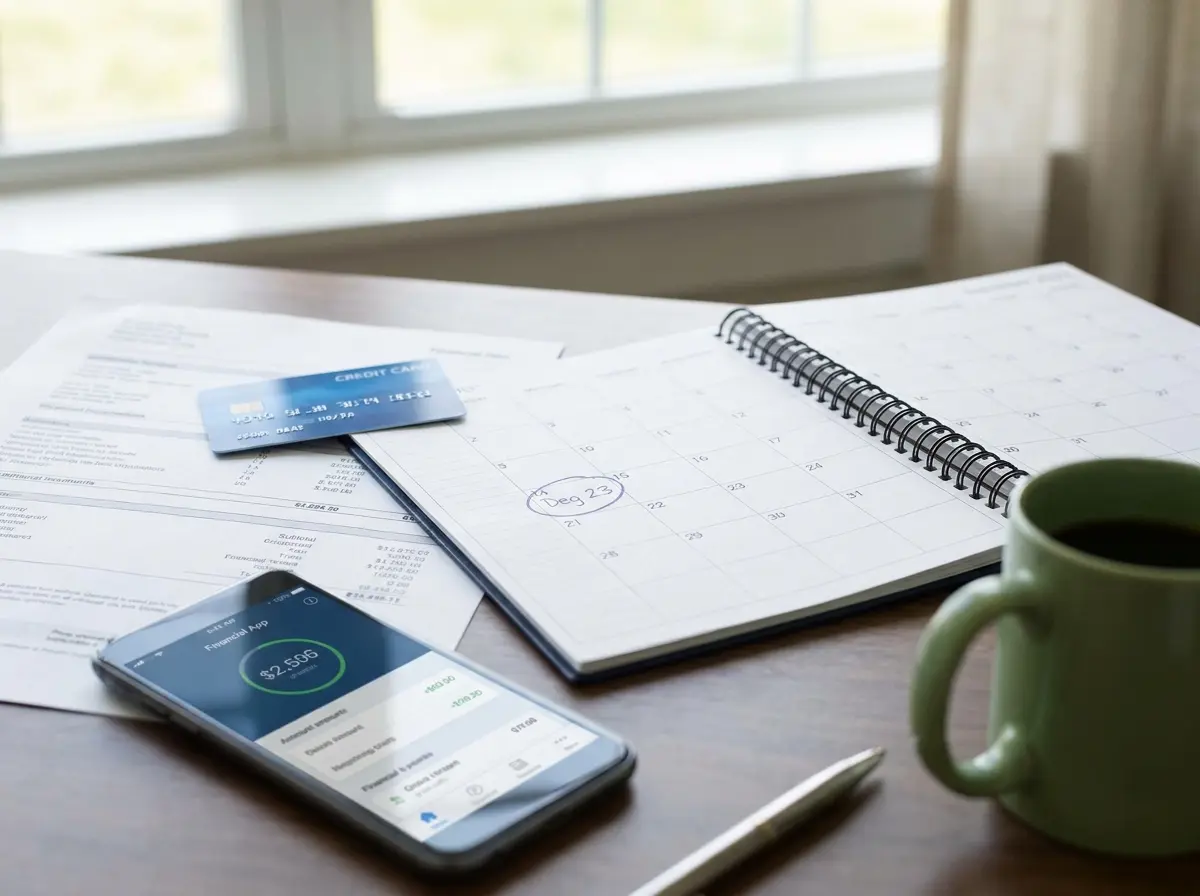
Reaching the 30-day delinquency mark changes your financial trajectory significantly for the worse in several ways. The lender will officially report your missed payment to the three major consumer credit bureaus for processing. These bureaus include Equifax, Experian, and TransUnion, which manage your comprehensive credit report files and history.
According to FICO data, a single missed payment can drop an excellent credit score by up to 100 points. The exact drop depends heavily on your starting score and overall credit history length over many years. Borrowers with higher initial scores typically experience the most dramatic point reductions after making a single mistake.
While FICO remains the dominant scoring model, VantageScore also penalizes late payments severely across all consumer categories. Both algorithms view a 30-day delinquency as a major red flag indicating potential financial distress for the borrower. Creditors rely on these scores to assess risk, meaning a sudden drop triggers alarms across your financial profile.
The negative mark remains visible on your credit report for seven full years from the delinquency date. While the impact lessens over time, it continues to drag down your average score unnecessarily for several years. Subsequent missed payments at 60 and 90 days will trigger additional negative reporting from the original lender.
A single 30-day late payment remains on your credit report for seven years. Pay the past-due balance as quickly as possible to prevent 60-day and 90-day marks from compounding the damage.
Personal Loan Default and Collections: The Default Process

Lenders classify a personal loan as being in default after 90 to 120 days of non-payment. The specific timeframe depends entirely on the terms outlined in your original promissory note and legal loan agreement. Defaulting indicates to the lender that you have completely broken the legal loan agreement you signed previously.
At this critical stage, the lender will likely invoke an acceleration clause to recover the full balance. This legal provision demands the immediate repayment of the entire outstanding loan balance from the borrower directly. You can no longer just pay the past-due amount to bring the account current with the lender.
A charge-off represents an accounting term, not a forgiveness of your personal loan obligation or debt. The financial institution simply moves the debt from an asset column to a loss category on its balance sheet. You still owe the full amount legally, and the debt remains highly active for collection purposes.
If you cannot pay the full balance, the original lender will sell your debt to a collection agency. These third-party debt collectors specialize in extracting payments and will contact you relentlessly through various communication channels. You have rights under the Fair Debt Collection Practices Act (FDCPA), which prevents collectors from using abusive tactics.
Debt Collection Process: Legal Action and Wage Garnishment
Collection agencies do not just make phone calls and send demanding letters to your home address. If you refuse to pay, the debt collector or original creditor can file a civil lawsuit against you. They will sue you in a local court for the unpaid balance plus expensive legal fees and costs.
A court judgment grants the creditor tremendous legal power to seize your personal assets to satisfy the debt. The most common collection method involves garnishing your wages directly from your employer through a court order. Under Title III of the Consumer Credit Protection Act, creditors can take up to 25 percent of your disposable earnings.
Creditors might also levy on your bank accounts to satisfy the outstanding financial judgment against you in court. A bank levy freezes your checking or savings account, allowing the creditor to withdraw funds directly from you. In some states, they can even place a legal lien on your personal property or real estate holdings.
Certain types of income remain exempt from wage garnishment under federal law protections for all consumers. For example, creditors generally cannot seize Social Security benefits, disability payments, or veteran benefits from your bank account. However, once these protected funds mix with regular income in a standard checking account, proving their exemption becomes difficult.
Preventing Personal Loan Default: How to Manage Unaffordable Payments
You should never simply stop paying your bills without communicating with your financial institution first about your situation. Proactive communication provides options that can save your credit profile and prevent legal action entirely for the borrower. Lenders prefer to recover their money through cooperation rather than expensive and time-consuming lawsuits in civil court.
How to Handle an Unaffordable Loan Payment
Contact Your Lender Immediately
Call the hardship department at your financial institution to explain your current financial situation honestly. Provide details about your income loss or unexpected expenses.
Request Forbearance or Modification
Ask the representative about temporary payment pauses or extended loan terms that lower your monthly payment. Many lenders offer formal hardship programs for struggling borrowers.
Explore Debt Consolidation
Look into combining multiple high-interest debts into one manageable payment through a specialized debt consolidation loan. This strategy works best before your credit score drops significantly.
These specific strategies require immediate action before your account reaches the default stage of the collection process. Once your debt moves to a third-party collection agency, your negotiation options become much more limited and difficult. Taking responsibility early demonstrates good faith to the lender and protects your long-term financial health and stability.
Missed Payment Consequences: The Long-Term Financial Impact
The consequences of an unpaid personal loan echo through your financial life for many years to come. A defaulted loan severely limits your ability to secure housing, as landlords routinely check credit reports for applicants. You will likely face rejection for mortgage applications or auto loans from traditional banking institutions and lenders.
Your career progression might also suffer due to a defaulted personal loan on your record for years. Many corporate employers run credit checks on prospective hires, especially for roles involving financial responsibility or management. A history of unpaid debt can signal unreliability to a hiring manager, costing you valuable job opportunities.
If a lender eventually forgives a portion of your debt through a settlement, you might face unexpected tax consequences. The Internal Revenue Service often considers forgiven debt exceeding $600 as taxable gross income for the individual. The lender will issue a 1099-C form, requiring you to report that canceled debt on your annual tax return.
Every consumer debt carries a specific statute of limitations, which varies widely by state across the country. This legal timeframe limits exactly how long a creditor can sue you for the unpaid balance in court. According to the Consumer Financial Protection Bureau, this period typically lasts between three and six years. However, making even a partial payment can restart this clock, exposing you to renewed legal risk.
- Defaulted loans limit your ability to secure affordable housing and auto loans.
- Forgiven debt exceeding $600 may be taxed as income by the IRS.
- The statute of limitations on debt varies by state, typically lasting three to six years.
Conclusion
Ignoring a financial obligation creates a destructive chain reaction of negative consequences that compound rapidly over time. Understanding what happens if you stop making payments on a personal loan helps you anticipate the fallout clearly. The progression moves steadily from minor late fees to devastating credit damage and potential lawsuits in civil court.
Lenders possess powerful legal tools to recover their funds, including wage garnishment and aggressive bank levies against you. Avoiding communication with your creditor only accelerates these aggressive collection tactics and limits your available choices for resolution. You have options available, such as formal forbearance programs, debt consolidation, or negotiating a realistic settlement.
If you face overwhelming debt, consider consulting with a certified credit counselor or registered financial advisor for help. These trained professionals can help you structure a realistic repayment plan based on your current monthly income. You might also want to review strategies for rebuilding damaged credit to begin your recovery process today. Managing your debt responsibly requires honesty, proactive communication, and a clear understanding of your legal rights.