
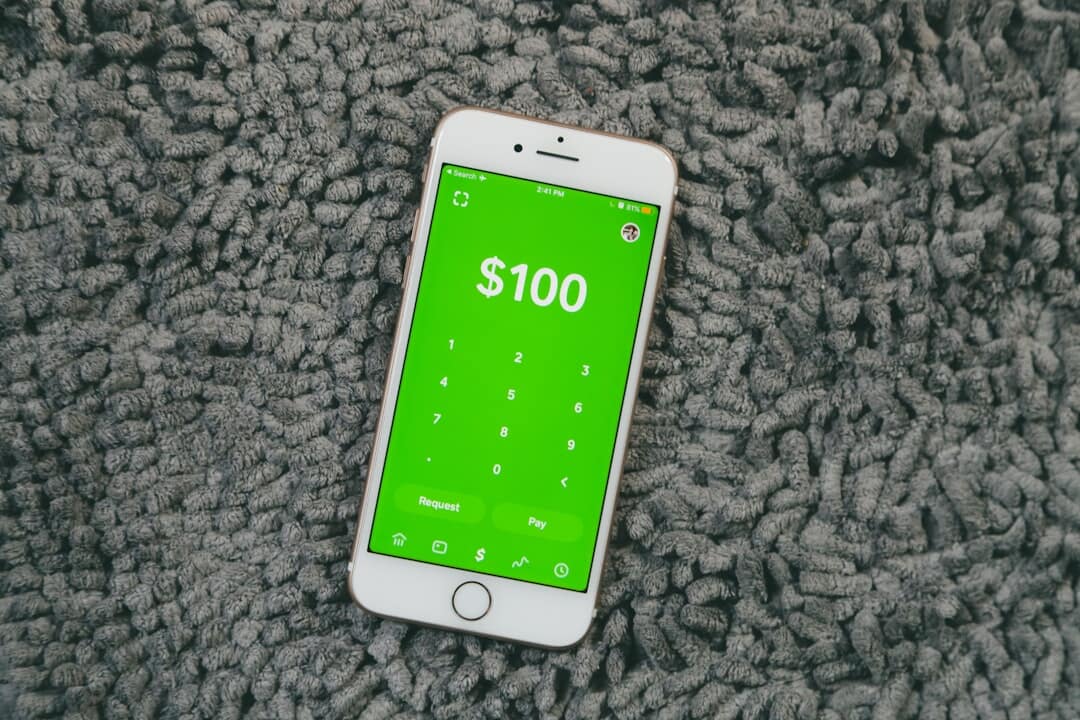
You are probably tired of hearing people say “just budget better” when you are staring at more than $20,000 in credit card debt. You do not need another lecture about spending habits. You need simple, real tools that help you stop the bleeding and finally move those balances down.
That is where budgeting apps for debt payoff come in. The right app can act like a calm coach in your pocket. It tracks your cash flow, tells you your next move, and shows you tiny wins that keep you going.
Used well, budgeting apps for debt payoff can cut years off your timeline and thousands in interest. They help you organize your financial life so you can focus on becoming debt-free.
Table Of Contents:
- Why Budgeting Apps Matter When You Are Buried In Debt
- Key Features to Look for in Budgeting Apps for Debt Payoff
- Top 10 Budgeting Apps to Help You Pay Off Debt Faster
- How to Use Budgeting Apps for Debt Payoff Without Burning Out
- How Paid and Free Apps Compare for Heavy Debt
- Signs an App Is Safe Enough to Trust With Your Money
- Making Budgeting Apps Work for You
- Conclusion
Why Budgeting Apps Matter When You Are Buried In Debt
Huge credit card balances usually do not come from one bad decision. They build slowly through busy weeks, stress spending, surprise bills, and “I will fix it later” thinking. The hard truth is clear.
If you keep guessing with your money, those credit cards will own you for a very long time. You need a system that removes the guesswork from your daily life. Good budgeting apps give you three things you probably do not have right now.
- Clear, automatic tracking of where your money goes.
- A simple plan for every dollar before you spend it.
- A debt payoff path that tells you exactly what to pay and when.
Many modern budgeting apps sync with your bank accounts and credit cards. They pull in your transactions and categorize spending without you doing much at all. You can read about this technology in several roundups of the best tools for managing money.
That matters because your brain is tired. You need help that cuts friction, not more spreadsheets to babysit. These tools make the process of debt management far less painful.
Key Features to Look for in Budgeting Apps for Debt Payoff
You will see hundreds of options in app stores and online lists of the best budgeting apps. That gets overwhelming fast.
So keep it simple. For heavy credit card debt, there are a few key features you must have. Focusing on these elements makes tracking debt much more effective.
1. Bank Syncing and Auto Categorizing
Apps like Rocket Money can sync directly with your accounts. They import each purchase and sort it into spending groups automatically. This creates a detailed spending log without manual effort.
This is powerful because you do not have to log every coffee and grocery trip by hand. The app does the boring part. You focus on choices that impact your net worth.
2. Built-In Debt Payoff Plans
Some apps are made just for debt. Debt Payoff Planner is one of those focused tools. It lets you enter each balance, interest rate, and minimum payment.
Then it creates payoff options using the debt snowball or the debt avalanche method and shows payoff dates for each approach. You can visualize a faster payoff timeline with these charts.
3. Flexible Budgeting Styles
You might like a zero-based plan where every dollar has a job. Someone else might love digital envelopes. Another person may want simple, high-level spending limits to improve their savings account balance.
The good news is that there are apps for each style. The best pick for you will match how your brain works, not how an expert says you “should” budget. If it helps you stick to your financial goals, it is the right tool.
4. Simple Design You Actually Want to Use
An ugly, confusing app will sit on your phone untouched. A clear, friendly layout draws you back daily. Your browsing experience within the app should be smooth and encouraging.
The app needs to look good on your screen. If it feels heavy or confusing in the first 10 minutes, it is the wrong fit for you. Budgeting apps should clarify your life, not complicate it.

Top 10 Budgeting Apps to Help You Pay Off Debt Faster
Here is the part you came for. Ten strong options to help you get a grip on your spending and crush your balances faster. You will find many of these on Google Play and the Apple App Store.
You do not need all of these. You just need the one that you will actually use daily or weekly to monitor your progress. Look for a free trial to test them out.
| App | Best For | Debt Features |
|---|---|---|
| Debt Payoff Planner | Structured payoff plans | Snowball and avalanche calculators, payoff dates. |
| YNAB | Hands-on budgeters | Goals for debt, every dollar has a job. |
| Rocket Money | Overall money picture | Spending overview, subscriptions, payment tracking. |
| PocketGuard | Controlling daily spending | “In my pocket” amount, bill tracking. |
| EveryDollar | Zero-based budgets | Assigns income to spending, saving, debt. |
| Goodbudget | Envelope-style budgeting | Separate envelopes for debt payoff. |
| Spreadsheet tools | People who like full control | Custom debt tabs and formulas. |
| Basic bank apps | First-time budgeters | Simple spend alerts and trends. |
| Manual calculators | One-time payoff planning | Payoff timelines and interest savings. |
| Hybrid setups | People using several tools | Combine budgets, trackers, and payoff plans. |
1. Debt Payoff Planner
Debt Payoff Planner is all about getting you out of debt faster and with less guesswork. It serves as a dedicated payoff planner that strips away distractions.
You type in every credit card, loan, store card, and line of credit. The app runs the numbers and builds a clear plan. It specifically highlights the debt snowball calculator function to keep you motivated.
It will show you month by month how much to pay on each card, when each one should hit zero, and how much interest you can save by staying with the plan. It focuses entirely on your debt payoff plan without extra noise.
2. YNAB (You Need A Budget)
YNAB takes a hands-on approach. It tells you to give every dollar a job before you spend it. This is the gold standard for zero-based budgeting.
So instead of thinking “I have $800 left in my account,” you think “I have $300 set aside for groceries, $200 for gas, and $300 for debt.” This shift helps you break the paycheck-to-paycheck cycle.
YNAB helps people stop living paycheck to paycheck and gives structure to debt payments. It can connect to accounts, track credit cards, and support goal tracking for each balance. It effectively automates payment planning by reserving the cash in advance.
3. Rocket Money
If your main problem is feeling like everything is a mess, Rocket Money can be a good start. It is great for spotting where your money is leaking.
It pulls in your transactions, groups spending, and spots repeating charges like old streaming subscriptions you forgot about. This detailed spending view is essential for finding extra cash.
You might find an extra $50 or $100 per month this way, which can go straight to a card you are trying to kill. While they have a premium tier, many basic functions work well, and you can explore the free version first.
4. PocketGuard
PocketGuard is made for people who ask “Can I afford this?” several times a day. It simplifies the complexities of budgeting into one number.
It shows you how much is “safe to spend” after it subtracts bills, goals, and set debt payments. It supports bill planning, basic saving goals, and alerts about fees. It calculates your cash flow instantly.
If impulse buys are your weak spot, seeing that safe number in real time can protect your future self. It acts like a strict budget app that travels with you.
5. EveryDollar
EveryDollar follows a pure zero-based budget style. It was created by the team at Ramsey Solutions, who are famous for the debt snowball method.
Each dollar in your paycheck is given a purpose on paper or in the app. Debt is a category you fund on purpose, not with leftovers. This forces you to confront your spending habits head-on.
It’s a tool built to help people avoid new debt and take control of their monthly cash flow. That is helpful when you already carry heavy balances and want to avoid digging deeper. The basic app is free, but they also offer a free trial for the premium features.
6. Goodbudget
Goodbudget is the digital form of putting cash in envelopes labeled “Rent,” “Food,” “Gas,” and “Debt.” This digital envelope budgeting system is excellent for couples.
You decide how much each category gets each month, including a specific envelope just for credit card payoff. When the envelope is empty, you stop spending.
Goodbudget supports free and paid plans and lets partners share budgets across devices. That can help if you are paying off debt with a spouse and need both of you on the same page regarding financial goals.
7. Spreadsheet Templates from Vertex42
Maybe apps feel cluttered to you. Some people prefer simple, quiet spreadsheets. This gives you total control without any marketing purposes interfering.
Sites like Vertex42 give templates for monthly budgets, debt payoff schedules, and loan calculators. You can manage student loan tracking or personal loan details easily here.
You can track each card in its own tab, plan snowball payments, and see your payoff path over the years without needing an online account at all. It works well if you want to avoid giving a service provider access to your data.
8. Your Bank or Credit Union App
Do not ignore the basic app your bank already offers. Most major banks now provide robust budget tracking tools.
Many banks now give basic budgeting features like spending charts, alerts, and goal tools inside the regular banking app. They might not have the full depth of a dedicated budgeting app, but they are a low-friction start because you are already using them for balances and transfers. This saves you from downloading yet another app from the app store.
For debt payoff, you can still set alerts when balances hit certain levels or when large payments clear. It is simple, but sometimes simple is what you stick with. Check your bank account features before buying new software.
9. Standalone Debt Calculators and Planners
Even if you keep your budget somewhere else, one clear payoff calculator is worth having. Sometimes you just need to crunch numbers for a debt consolidation decision.
Online tools based on similar math to payoff planners like Zilch show how paying a bit extra to a single high-rate card can speed everything up. These act as a standalone snowball calculator.
You can save or print a payoff schedule and then plug the payment targets back into whichever budgeting app you like best. This helps you establish a debt-free date.
10. Hybrid Setups That Mix Apps and Tools
The truth is that many people with high debt use a mix of tools, not just one app. You might find that apps work best when combined.
You might use YNAB for your monthly budget, Debt Payoff Planner for the actual strategy, and a Vertex42 sheet for tracking detailed payoff milestones. You might also check Credit Karma to watch your credit score improve.
This works as long as you check in on your numbers often and do not spread yourself so thin that you quit. Customizing your toolkit is part of personal finance success.
How to Use Budgeting Apps for Debt Payoff Without Burning Out
The app is not magic on its own. The power is in the tiny habits you build around it. Tracking credit card debt takes persistence.
If you are carrying more than $20,000 in credit card debt, this is how to turn an app into real progress. You must follow a process.
Step 1: Get Honest About The Full Debt Picture
This is the hard part that many people avoid. You must face the loan debt reality.
Open each account and list the balance, interest rate, and minimum payment. A payoff-focused tool can help you plug these in so you do not have to stare at fifteen browser tabs all month. Include every card debt you can find.
Many apps and spreadsheets based on clear payoff rules show how different payment plans change your end date and total interest paid. This clarity makes the debt easier to tackle.
Step 2: Pick Your Payoff Style
Most apps let you pick one of two core strategies. Repayment strategies vary by personality.
The debt snowball method means paying extra on your smallest balance first, while you pay minimums on the rest. Once the small one is gone, you move that full amount to the next smallest. This builds momentum quickly.
The avalanche method means putting your extra toward the debt with the highest interest rate first. Both work if you stick with them. Pick the one that you can live with for a long time.
Step 3: Build a Bare Bones Starter Budget
You do not need a perfect budget from day one. You do need a simple plan. Start with a payment plan for the necessities.
Most strong budgeting apps let you set income, bills, daily spending, savings, and debt payments as broad categories at first. Do not overcomplicate it.
Get your regular bills right. Then choose a realistic amount you can send to extra debt payments, even if it is small right now. Consistency beats intensity.
Step 4: Automate Whatever You Can
Once your budget and payoff plan look okay, take advantage of automation. When a tool automates payments, you remove the chance of human error.
Schedule payments for at least the minimum on each debt. Many banking systems support simple recurring transfers and bill pay.
That way you will not miss a payment and pay extra fees while you are learning the app. This protects your credit score from accidental dips.
Step 5: Track One or Two Metrics That Motivate You
For some people, watching their total balance fall is the most satisfying thing. It is about goal tracking that feels good.
Others like to track interest saved or the number of accounts closed. Apps like Debt Payoff Planner and YNAB can show progress bars, charts, and milestones over time, as mentioned by sites that rate the best budget apps on the market.
Choose one visual and check it weekly. You want to see that things are moving, even if they move slowly at first. Tracking debt should feel like a game you are winning.
How Paid and Free Apps Compare for Heavy Debt
If money is tight, you might think you cannot spare anything for a paid app. That makes sense, but it is worth doing a quick cost-benefit check. Sometimes a free budgeting app is enough, but not always.
Some tools have strong free versions and give the basics for no cost. Others hold back useful debt tools for paid tiers, similar to how many financial apps offer premium features on subscription models.
A small monthly fee can still be worth it if the app helps you cut a big chunk of interest or spot money leaks you never saw before. If spending $10 saves you $200 in interest, it is a smart move.
Signs an App Is Safe Enough to Trust With Your Money
It is smart to be picky before you connect an app to your checking account and credit cards. Security is critical when you link your internet service to financial data.
Look for clear privacy and data policies, just like the way investment tools list documents such as Form CRS, Form ADV Part 2A, and a written privacy policy.
With any app that touches banking, check reviews and, when it involves lending or similar services, see whether it or related partners show up in public registration systems like NMLS Consumer Access. That quick check tells you a lot about who stands behind the product.
Make sure you understand if they use your data for marketing purposes. Legitimate apps are transparent about how they handle your browsing experience and personal data. Always view privacy details to confirm they use bank-level encryption.
Making Budgeting Apps Work for You
You are not lazy or broken because you ended up in deep debt. Life got messy, prices climbed, interest piled on, and habits formed during stress do not disappear overnight. The debt pay journey is long.
The goal is not to become a perfect spreadsheet person. The goal is to put a small, dependable system around your money so that your past choices stop running the show. You want to make the debt easier to manage.
A solid mix of budgeting apps for debt payoff, clear payoff plans, and honest check-ins can help you see your way out. The first few weeks feel awkward, but that awkward phase is still progress. Once you establish the habit, apps work to keep you safe.
Conclusion
If you have more than $20,000 in credit card debt and you are still reading, it means you care. You are trying to find a solution for your savings goals.
The right budgeting apps for debt payoff will not fix everything overnight, but they can give you structure, momentum, and clear proof that your efforts are working.
You pick the tool, set the rules once, and then let it guide your daily choices so you can stop guessing and start seeing those balances fall.
Debt won’t fix itself — but the right plan can. Use Simple Debt Solutions to compare multiple loan offers in one place and find the option that helps you pay less and get out of debt faster.