

Life happens, and sometimes a scheduled due date slips past your calendar entirely unnoticed, leading to a personal loan late payment fee. You might suddenly realize you missed a payment on your personal loan, causing immediate financial anxiety and stress regarding your standing. Panic often sets in quickly, but thoroughly understanding the exact consequences helps you take complete control of the situation and your budget. A single missed deadline triggers a specific chain of financial events that you must address rapidly to protect your long-term interests. When you fail to meet these obligations, the psychological burden can be just as heavy as the financial one, impacting your confidence in managing future fiscal responsibilities.
Financial institutions follow strict operational procedures outlined directly in your loan agreement to handle delinquent consumer accounts and missed deadlines. Knowing these rigid rules allows you to actively minimize the resulting damage to your bank account and overall financial health. When you manage personal loans, staying ahead of the schedule is the most effective way to avoid unnecessary costs and penalties. This guide explores how a personal loan late payment fee functions and how you can navigate the complexities of modern personal finance. By establishing a robust system for tracking your due dates, you can ensure that your path toward debt freedom remains unobstructed by avoidable administrative charges.
The relationship between a borrower and a lender is built on the foundation of a contract that specifies exactly when and how funds must be returned. When this contract is breached, even by a few hours, the lender’s automated systems typically flag the account for immediate review. This review process is designed to protect the lender’s capital while providing the borrower with a structured path to rectify the oversight. Understanding the nuances of this process is the first step in transforming a potential financial disaster into a manageable minor setback that does not derail your broader economic goals.
Immediate Financial Consequences: Avoiding a Late Fee and Personal Loan Late Payment Fee

The clock starts ticking the moment your scheduled due date passes without a successful transaction posting to your lender’s system. Most financial institutions offer a brief grace period before they apply a punitive personal loan late payment fee to your account balance. This protective window typically lasts between ten and fifteen days, depending heavily on your specific contract and the lender’s internal policies. If you fail to act within this window, the personal loan provider will likely assess a charge that increases your total debt. This initial late fee serves as a formal notification that your account has entered a state of delinquency, requiring immediate attention to prevent further escalation.
Let us look at how a personal loan differs from revolving consumer credit products like credit cards or a standard credit card. If you miss a payment on a credit card, the issuer might immediately hike your interest rate to a much higher level. They often apply a steep penalty apr to your outstanding balance, drastically increasing your total costs and making it harder to pay off. Unlike credit cards, most personal loans have fixed rates, but a late payment still triggers significant administrative penalties and potential credit damage. The predictable nature of a personal loan’s installment structure is one of its primary benefits, but that predictability relies entirely on the borrower’s ability to maintain a consistent payment cadence.
Beyond the immediate monetary penalty, a late payment can trigger internal collection efforts that may include automated phone calls, emails, and physical letters. These communications are intended to remind the borrower of their obligation, but they can also add to the stress of an already difficult financial situation. If the delinquency continues beyond the initial grace period, the lender may also begin to accrue additional interest on the unpaid portion of the principal. This compounding effect means that the longer you wait to address the personal loan late payment fee, the more expensive the loan becomes over its total lifespan. It is essential to recognize that the grace period is a courtesy, not a right, and should never be relied upon as a standard part of your monthly budgeting strategy.
Most lenders calculate the grace period in calendar days rather than business days. Weekends and holidays count against your available time to make a successful transaction on your personal loan. Always ensure your funds are available at least forty-eight hours before the actual deadline to account for bank processing times.
Some lenders apply penalty apr rates to a personal loan, but this practice remains less common in consumer lending than in the world of credit cards. Instead, you usually face a flat charge or a specific percentage of the overdue amount as a personal loan late payment fee. Review your original documentation to see exactly what financial penalties apply to your current situation and how they compare to a car loan. Understanding these nuances is essential for anyone managing multiple personal loans or trying to improve their credit score. By being proactive and communicating with your lender at the first sign of trouble, you may be able to negotiate a one-time waiver of the late fee, especially if you have a history of on-time payments.
Breaking Down the Costs of Borrowing: Origination Fees, Origination Fee, and Prepayment Penalty
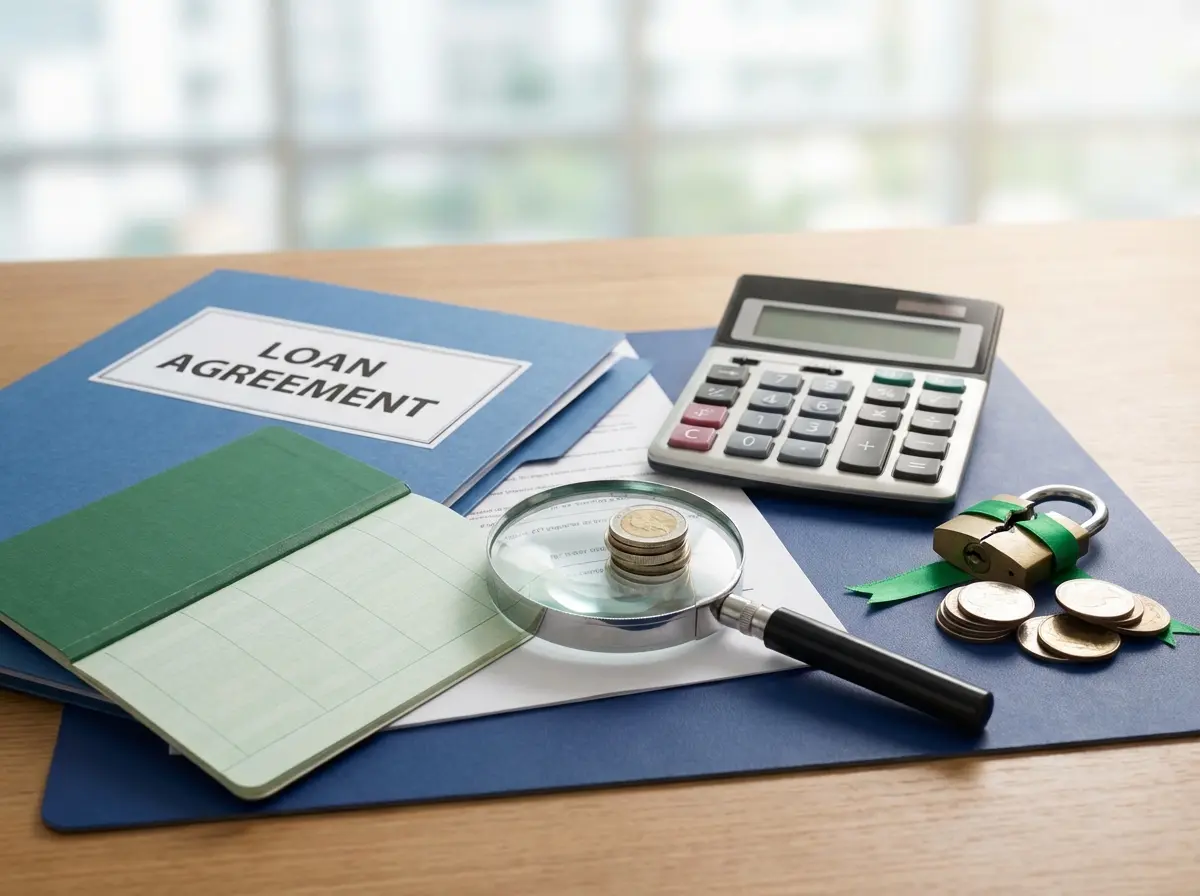
Understanding the comprehensive fee structure helps you evaluate the true long-term cost of your personal loan and overall debt. Borrowers frequently confuse a standard personal loan late payment fee with an origination fee during the initial application process. An origination fee covers the administrative costs of processing your funding request, while late charges penalize missed deadlines after the loan is active. It is vital to distinguish between these costs when comparing personal loans to car loans or small business loans. Many modern lenders have moved toward a more transparent model, but origination fees remain a common way for institutions to recoup the costs of underwriting and customer acquisition.
Lenders usually deduct origination fee amounts directly from your funds before the money ever reaches your checking account. Conversely, they add late fees directly to your outstanding balance after a missed deadline eventually passes on your personal loan. You must also watch out for a prepayment penalty if you decide to clear your debt early to save on interest. A prepayment penalty can significantly offset the benefits of paying off your personal loan ahead of the original schedule. When evaluating different loan offers, it is helpful to look at the total “cost of capital,” which includes all origination fees and potential penalties, rather than just the stated interest rate.
A standard prepayment penalty effectively punishes you for paying off your outstanding balance ahead of the scheduled timeline. Financial institutions use these prepayment penalties to recover the anticipated interest revenue they lose when you exit the loan agreement early. Always read your loan agreement carefully to identify whether your current personal loan includes these restrictive financial clauses or prepayment penalties. If you are looking to avoid a prepayment penalty, you should shop around for lenders that offer more flexible terms for their personal loans. Some online lenders specifically market themselves as “fee-free,” meaning they do not charge origination fees or late penalties, though they may have higher base interest rates to compensate for the added risk.
The impact of origination fees on your effective APR can be significant, especially for shorter-term loans. For example, a $5,000 loan with a 5% origination fee means you only receive $4,750, yet you are responsible for paying back the full $5,000 plus interest. This “hidden” cost is why the federal government requires lenders to disclose the Annual Percentage Rate (APR), which incorporates these fees into a single, comparable number. By focusing on the APR rather than just the interest rate, you can get a much clearer picture of which personal loan is actually the most affordable option for your specific financial needs.
Key Takeaways
- → Grace periods typically provide a ten to fifteen day window to pay without a personal loan late payment fee.
- → Lenders apply flat charges rather than increased interest rates for most standard personal loans.
- → Understanding the difference between origination fees and prepayment penalties prevents financial surprises.
The Impact of Personal Loans and Penalty APRs on Your Financial Profile and Credit Score
Your credit score is one of the most important numbers in your financial life, influencing your ability to get car loans or business loans. When you miss a payment on a personal loan, the lender may report the delinquency to the major credit bureaus. This reporting usually happens after the payment is 30 days past due, which can cause your credit scores to drop significantly. Maintaining a high credit score is essential for securing low interest rates on future credit cards or car loan applications. A single 30-day delinquency can stay on your credit report for up to seven years, serving as a long-term reminder to future lenders of a period of financial instability.
Consistent credit monitoring is a proactive way to ensure that your personal loan history is being reported accurately. If you notice an error, you must dispute it immediately to protect your personal finance reputation and avoid being labeled with bad credit. Many people who suffer from identity theft find that their credit score is ruined by fraudulent personal loans taken out in their name. By keeping a close eye on your reports, you can catch these issues before they lead to a personal loan late payment fee on an account you didn’t even open. Furthermore, understanding how penalty aprs function on other accounts can help you prioritize which debts to pay first if you ever find yourself in a liquidity crunch.
Improving your credit score takes time, but it starts with making every personal loan payment on time, every single month. If you have bad credit, you might find that your options for personal loans are limited to high-interest lenders. However, as you demonstrate reliability, you can eventually qualify for better products like balance transfer credit cards or consolidation loans. These tools can help you manage credit card debt and card debt more effectively, reducing the likelihood of a late payment in the future. Remember that your payment history accounts for roughly 35% of your total FICO score, making it the single most influential factor in your financial profile.
The long-term effects of a damaged credit score extend far beyond just loan approvals. Landlords often check credit reports before approving a lease, and some employers review credit history as part of the background check process for sensitive positions. By avoiding a personal loan late payment fee and keeping your accounts current, you are investing in your future mobility and career prospects. If you do experience a drop in your score due to a late payment, the best course of action is to resume consistent, on-time payments immediately. Over time, the impact of the old delinquency will fade as newer, positive data points populate your credit file.
How to Handle an Overdue Balance and Avoid a Late Fee on Your Personal Loan
If you find yourself unable to pay your personal loan, the first step is to communicate with your lender immediately. Many lenders are willing to work with borrowers to avoid a personal loan late payment fee if they are notified in advance of a hardship. They might offer a temporary forbearance or a modified loan term that makes your monthly obligations more manageable. Ignoring the problem will only lead to more fees and a damaged credit score, making it harder to get car loans later. A simple phone call to the customer service department can often open doors to assistance programs that are not advertised on the lender’s main website.
When you call your lender, have your checking account details and a clear explanation of your financial situation ready. You should also check your savings account or money market accounts to see if you can pull together a partial payment. Even a small payment can sometimes prevent a personal loan from being marked as fully delinquent. Lenders appreciate transparency, and they would often rather receive a late payment than deal with the costs of a personal loan default. If you can provide a specific date for when the remaining balance will be paid, the representative may be able to note your account and pause certain automated collection actions, helping you avoid an additional late fee.
In some cases, you might need to look at your broader financial picture, including your ira accounts or life insurance policies, for emergency liquidity. While tapping into retirement ira accounts is generally discouraged due to taxes and lost growth, it may be preferable to a total default on multiple personal loans. Always consult a personal finance advisor before making major changes to your long-term savings accounts or market accounts. Taking decisive action now can save you from a cycle of credit card debt and mounting personal loan late payment fee charges. It is also worth investigating if your loan includes any “payment skip” features, which some credit unions and banks offer as a standard benefit for borrowers in good standing.
Developing a “hardship script” before you call can help you stay focused and professional during the conversation. State clearly that you are experiencing a temporary financial setback, explain the cause (such as medical expenses or a reduction in work hours), and ask specifically what options are available to keep your account in good standing. By approaching the situation with a collaborative mindset rather than a defensive one, you increase the likelihood of reaching a mutually beneficial agreement. Lenders are ultimately in the business of getting their money back, and they know that helping a borrower through a short-term crisis is often more cost-effective than pursuing a legal judgment for a defaulted loan.
Consolidating Debt to Avoid Default with Debt Consolidation Loans
If you are struggling with multiple high-interest credit cards, you might consider debt consolidation as a viable solution. By taking out one of many available debt consolidation loans, you can pay off your credit card debt and simplify your monthly payments. This strategy often results in a lower overall interest rate than what you would pay on individual credit cards. A personal loan used for consolidation can be a powerful tool to regain control of your personal finance journey. Furthermore, by moving your high-interest credit card balances to a fixed-rate loan, you protect yourself from future interest rate hikes that could make your debt even more expensive.
Another option for managing card debt is to use balance transfer credit cards that offer a 0% introductory APR period. You can transfer credit from high-interest cards to these balance transfer credit products to save on interest for several months. However, be aware of the balance transfer fee, which functions similarly to an origination fee on a personal loan. If you cannot pay off the balance before the intro period ends, you may face a high penalty apr or standard interest rate. It is crucial to have a disciplined repayment plan in place before utilizing a balance transfer, as the goal is to eliminate the debt, not just move it around indefinitely.
When applying for consolidation loans, pay close attention to the loan agreement and any prepayment penalties that might apply. You want to ensure that the new personal loan actually saves you money over the full loan term. Make sure to check every checkbox label and checkbox label label on the digital application to avoid hidden fees. Ensuring every label label is understood will help you avoid a personal loan late payment fee on your new consolidated debt. Consolidation is most effective when combined with a change in spending habits; otherwise, you may find yourself with a new personal loan and newly recharged credit card balances, doubling your total debt burden.
The process of consolidation also has the added benefit of potentially improving your credit score by lowering your credit utilization ratio. When you pay off revolving credit card balances with a personal loan, your utilization drops to zero, which is a highly positive signal to credit scoring models. As long as you do not close the old credit card accounts, your total available credit remains high while your used credit decreases. This strategic move can help offset the minor dip in your score caused by the hard inquiry required for the new personal loan application. Over time, the simplified payment structure makes it much easier to avoid a late fee and stay on track toward your financial goals.
Strategies for Managing Your Obligations and Car Loans
Managing personal loans alongside car loans requires a strict budget and a clear understanding of your cash flow. A car loan is typically a secured debt, meaning the lender can repossess the vehicle if you miss payments. In contrast, most personal loans are unsecured, but a late payment still carries heavy consequences for your credit score. Balancing these different types of car loan and personal loan obligations is a key part of successful personal finance. You must prioritize payments based on the severity of the consequences, but the ultimate goal should always be to meet every obligation on time to maintain a pristine financial record.
To stay organized, consider setting up automatic payments from your checking accounts for all your recurring debts. This ensures that your personal loan and car loans are paid on time, even if you are busy or traveling. You should also maintain a buffer in your savings account to cover any unexpected expenses that might interfere with your payment schedule. If you have small business loans or business loans, keeping your personal and professional finances separate is also crucial for clarity. Many banks offer “overdraft protection” that can link your savings to your checking account, providing an extra layer of security against a missed payment due to insufficient funds.
For those with bad credit, managing car loans and personal loans can be particularly challenging due to higher interest rates. It may be beneficial to share article tips with family members who are also navigating these financial waters. By educating yourself on the mechanics of personal loans, you can avoid the pitfalls of a personal loan late payment fee. Remember that every on-time payment helps rebuild your credit scores and opens doors to better financial products in the future. If you find that your total monthly debt obligations exceed 40% of your gross income, it may be time to seek professional credit counseling to restructure your budget before a crisis occurs.
Another effective strategy is the “debt avalanche” method, where you focus any extra funds on the debt with the highest interest rate while maintaining minimum payments on everything else. This minimizes the total interest you pay over time and can accelerate your journey to being debt-free. Alternatively, the “debt snowball” method focuses on paying off the smallest balances first to build psychological momentum. Whichever method you choose, the key is consistency and a refusal to take on new debt while you are still paying off existing personal loans. By treating your debt repayment as a non-negotiable monthly expense, you build the financial discipline necessary for long-term wealth accumulation.
Protecting Your Financial Future, Savings Accounts, and Trading Platforms
Your long-term financial health depends on more than just avoiding a personal loan late payment fee; it requires a holistic approach. This includes building robust savings accounts, investing through trading platforms, and maintaining adequate life insurance coverage. A well-funded money market account or money market accounts can provide a safety net during periods of unemployment or illness. These market accounts often offer higher interest rates than standard checking accounts, helping your money grow faster. The goal is to create a financial ecosystem where a single missed paycheck does not lead to a cascade of late fees and credit damage.
When you use trading platforms to invest, ensure you are not using money that is needed for your personal loan payments. Investing involves risk, and a market downturn should not prevent you from meeting your obligations on car loans or credit cards. Diversifying your assets across ira accounts and other personal finance vehicles is a smart way to build wealth over time. Always prioritize your personal loan stability before moving aggressive amounts of capital into volatile trading platforms. A solid financial foundation is built on the bedrock of predictable debt management and consistent savings, rather than speculative gains.
Finally, stay vigilant against identity theft by using credit monitoring and reviewing your checking account statements regularly. If you are a small business owner, ensure your small business loans are structured in a way that doesn’t jeopardize your personal assets. By following these personal finance principles, you can avoid the stress of a personal loan late payment fee and build a secure future. Don’t forget to share article resources with your community to help others achieve the same level of financial literacy and success. True financial freedom is not just about having a high income; it is about having the knowledge and discipline to manage that income effectively across all stages of life.
As you move forward, consider setting quarterly financial goals to review your progress. This might include increasing your emergency fund, researching better trading platforms for your investment style, or checking for opportunities to refinance your personal loan at a lower rate. Financial literacy is a lifelong journey, and staying informed about changes in lending laws and credit scoring models will give you a significant advantage. By mastering the details of your loan agreement today, you are setting the stage for a more prosperous and less stressful tomorrow, free from the burden of unnecessary penalties and high-interest debt.