
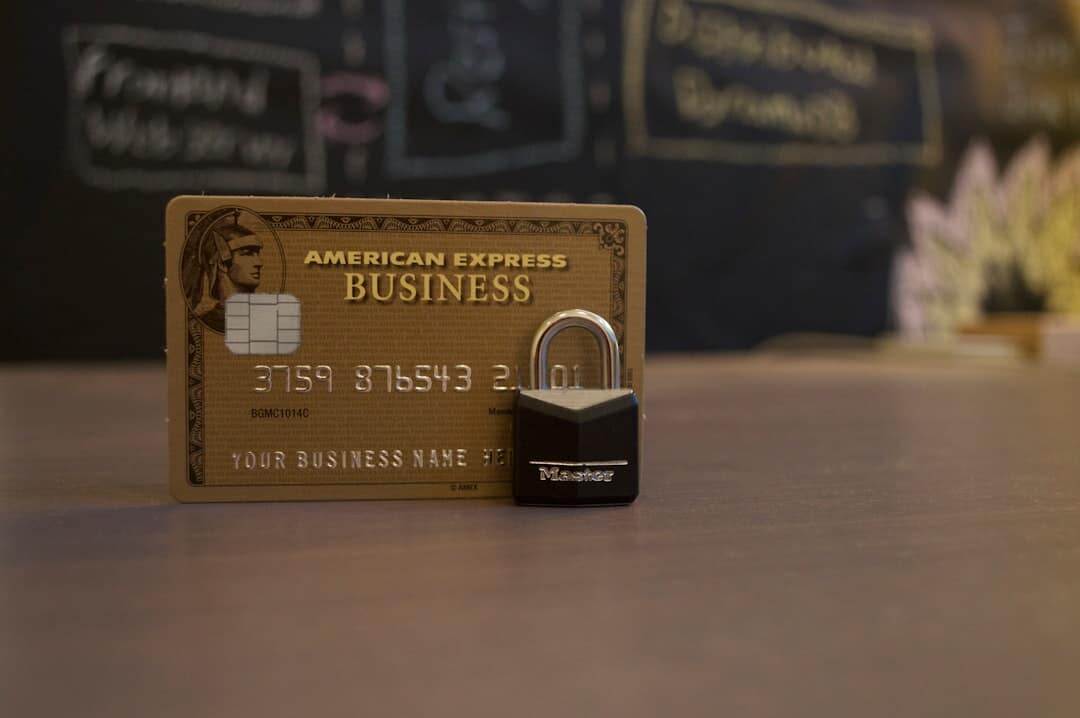
Paying off a credit card feels amazing. It is like a huge weight is lifted from your shoulders. You worked hard, you stuck to your budget, and you finally have a zero balance.
Your first thought might be to take a pair of scissors, chop that card into tiny pieces, and close the account for good. The big question is, “Should I close my credit card after paying it off?
It feels like the right thing to do, but it is a decision you need to think about carefully.
Asking the company to close your credit card account can sometimes do more harm than good to your financial wellness. This decision impacts your overall financial picture, from applying for a personal loan to securing business loans.
Table Of Contents:
- How Closing a Credit Card Can Hurt Your Credit Score
- Should I Close My Credit Card After Paying It Off?
- Smart Alternatives to Closing Your Credit Card
- How to Properly Close a Credit Card (If You Must)
- Conclusion
How Closing a Credit Card Can Hurt Your Credit Score
You have probably heard that closing a credit card can ding your credit score. This is often true. To understand why, you have to know a little bit about what makes up your score.
Credit bureaus like Experian, Equifax, and TransUnion look at a few key things to calculate it. Two of the biggest factors are your credit utilization and the length of your credit history. Closing an account can negatively impact both of them.
It seems strange, right? You did a good thing by paying off card debt. Why would you be punished for it? It is not a punishment, but a change in the data used to figure out your credit scores.
It Changes Your Credit Utilization Ratio
Your credit utilization rate sounds complicated, but it is not. It is just the amount of revolving credit you are using compared to the total amount of credit you have available. Lenders like to see this number stay low.
A high ratio can signal that you are overextended and might have trouble paying your bills. Experts suggest keeping your utilization below 30 percent.
So, if you have a total of $10,000 in credit limits across all your credit card accounts, you should try to keep your total balances under $3,000. When you close a card, you lose its credit limit. This means your total available credit goes down, which can make your utilization ratio shoot up, even if your spending stays the same.
Let’s imagine you have three credit cards.
| Card | Balance | Credit Limit |
| Card A | $1,500 | $4,000 |
| Card B | $1,000 | $6,000 |
| Card C (Paid Off) | $0 | $5,000 |
Your total balance is $2,500. Your total credit limit is $15,000. Your credit utilization is about 17% ($2,500 divided by $15,000), which looks great.
Now, you decide to close Card C because you just paid it off. Your total balance is still $2,500, but your total credit limit drops to just $10,000.
Your new utilization rate is 25% ($2,500 divided by $10,000). While it is still under 30%, it is much higher than before, and this jump could cause your credit score to drop. According to information from Experian, your credit utilization is a very influential factor in your score.
It Shortens the Average Age of Your Accounts
Another important piece of your credit score is the length of your credit history. This makes up about 15% of your FICO score. Lenders want to see a long track record of responsible credit management, reflected in your payment history.
A longer credit history generally looks better to them. The “age” of your credit is not just about your oldest account. It is the average age of all your accounts combined, including personal loans or student loans.
When you close an account, especially an old one, you risk lowering that average. Let’s say you have three cards: one you have had for 10 years, one for 6 years, and a newer one for 2 years. The average age of your accounts is 6 years ((10 + 6 + 2) / 3).
If you close that 10-year-old card, your average age suddenly drops to just 4 years ((6 + 2) / 2). This decrease can lower your credit score. A closed card account in good standing will stay on your credit reports for up to 10 years, so the impact is not immediate.
But once it falls off, your credit history will look shorter. That is why it is often recommended to never close your oldest credit card account.
Should I Close My Credit Card After Paying It Off?
So, does this mean you should never close a credit card?
Not necessarily. While keeping accounts open is often the best strategy for your credit score, there are situations where closing a card is the right move for your financial well-being.
If Your Card Has a High Annual Fee
Many premium travel or rewards cards come with a hefty annual fee. These fees can range from $95 to over $600 a year. When you first signed up, the rewards and perks might have been worth it.
But if you are not using them anymore, that fee is just money down the drain from your savings account. If a card’s benefits no longer outweigh its cost, it is time to re-evaluate. It makes little sense to pay for perks you are not using, especially if that money could be better used in your savings accounts or IRA accounts.

Before you rush to close it, call your credit card issuer. Ask if they can switch you to a different card with no annual fee. This is often called a product change.
It lets you keep your account history and credit limit while getting rid of the fee. If they say no, then closing the card account might be the best way to save money.
If You’re Trying to Control Your Spending
This is a big one. For some people, having an open line of credit is just too tempting. If you have worked incredibly hard to get out of credit card debt, the last thing you want is to fall back into old habits.
Knowing you have thousands of dollars in available credit can make it easy to justify impulse buys. If you do not trust yourself with the card, closing it could be the right personal decision. Your mental peace and financial discipline are more important than a few credit score points.

You have to be honest with yourself about your spending triggers. But this should be a last resort. You could also try freezing the card in a block of ice or just keeping it locked away at home instead of in your wallet.
If the Card Has Awful Terms or Poor Service
Not all credit cards are created equal. You might have an old card with a sky-high interest rate, a stingy rewards program, or terrible customer service. Perhaps it is a secured card you got for establishing credit when you had bad credit, and you no longer need it.
If a card provides absolutely no value to you, it is dead weight in your wallet. There is little reason to keep an account open that has no upside. A better credit card could offer better rewards or a lower interest rate, giving you more flexibility and value.
This is especially true if you are a small business owner relying on card benefits. You might want to switch to a card with better business perks.
Smart Alternatives to Closing Your Credit Card
If you have paid off your card but do not want to hurt your credit score, you have options. You do not have to be stuck in an all-or-nothing situation. There are smart ways to manage the account without officially closing it.
Downgrade Your Card
As mentioned before, a product change is one of the best moves you can make. If you have a card with a high annual fee, call the issuer and ask to be downgraded. You can ask for a no-fee cash back card or a simple, no-frills credit card from the same bank or credit union.
This is a fantastic option because it is usually not a new application. This means there is no hard inquiry on your credit reports. You keep the same account number, which means your payment history and account age are preserved.
You get to keep your credit limit, which helps your utilization rate, and you ditch the annual fee. It is a win-win for improving credit and saving money.
Just Stop Using It (The “Sock Drawer” Method)
The easiest alternative is to simply stop using the card. Cut it up if you want that feeling of satisfaction, but keep the card account open. Store the account details in a safe place and forget about it.
This is often called the sock drawer method. One thing to be aware of is that some issuers will close accounts due to inactivity. To prevent this, you can set up a small, recurring bill on the card, like a streaming service subscription paid from your checking account.
Then, set up automatic payments to pay it off in full each month. This keeps the account active with minimal effort on your part, and your credit scores will thank you. It also helps to regularly use credit monitoring services to watch for signs of identity theft on these unused accounts, which might include a free dark web scan to see if your information has been compromised on the dark web.
How to Properly Close a Credit Card (If You Must)
If you have weighed all the pros and cons and have decided that closing the account is your best option, there is a right way to do it.
- Redeem All Your Rewards. Before you do anything else, make sure you use any cash back, points, or miles you have accumulated. Once you close the account, you will lose them for good.
- Pay the Balance to Zero. The card issuer will not let you close an account with a balance. Make sure it is paid in full. Check your statement to be sure there are no lingering interest charges.
- Call Your Card Issuer. Find the customer service number on the back of your card and give them a call. Tell the representative that you want to close your credit card account. They may try to offer you incentives to stay, so be firm in your decision.
- Get Written Confirmation. Ask the representative for confirmation of the account closure in writing. This can be an email or a letter. Having this documentation is important proof.
- Check Your Credit Reports. About 30 to 60 days later, pull your credit reports to confirm the account is listed as “closed at consumer’s request.” You can get your free reports from all three bureaus at AnnualCreditReport.com.
Conclusion
So, should you close your credit card after paying it off?
For most people, most of the time, the answer is no. The potential damage to your credit utilization and the average age of your accounts usually is not worth it. Keeping the account open and unused is often a better strategy for maintaining a healthy credit score.
But, if the card carries a high annual fee you can not get rid of, or if it represents a source of temptation you can not manage, then closing it might be the healthiest decision for your finances. Carefully weigh your options, and make the choice that aligns with your long-term financial goals.
The sooner you take action on your debt, the more you’ll save. Start with Simple Debt Solutions and compare real offers today — so you can finally move forward with confidence.