

Managing multiple debts with different interest rates and due dates is exhausting, often leading to significant stress for many households. You likely spend hours every month tracking payments and worrying about missed deadlines that could negatively impact your credit. Understanding the debt consolidation enrollment process offers a practical solution to this fragmentation by combining various balances into a single monthly payment to consolidate credit card debt effectively.
The process of starting this financial change is straightforward if you know what to expect from various debt relief programs and lenders. Many borrowers feel intimidated by the paperwork and approval stages required to secure a new loan or management plan. However, understanding the enrollment workflow removes that uncertainty and allows you to move toward a structured repayment plan for better financial stability.
This guide breaks down the specific steps required to enroll in a debt consolidation plan or a personal loan. We will examine the documentation you need, the criteria lenders review, and the timeline for receiving your funding. You will gain the knowledge necessary to approach lenders with confidence and achieve long-term debt relief through a simplified process.
Debt Consolidation Enrollment Process: Initial Financial Assessment for Your Loan

You must clearly define your financial standing before contacting any lender to ensure you choose the right product for your needs. A consolidation strategy only works if the new terms improve your cash flow or reduce total interest costs significantly. Lenders will scrutinize your debt-to-income ratio (DTI), so you should calculate this number yourself before starting the debt consolidation enrollment process.
List every debt you intend to consolidate, focusing primarily on high-interest unsecured debt like credit cards and medical bills. Note the current balance, the annual percentage rate (APR), and the minimum monthly payment for each individual account. Sum these figures to understand your total liability and determine the specific debt consolidation loan amount you will need to request.
Check your credit score through a reliable bureau or banking app to determine your eligibility for lower interest rates. Your credit score directly dictates the interest rate a lender will offer during the formal enrollment stages of the loan. If your score is below 650, you might struggle to qualify for a rate that is lower than your current cards.
Review your credit report for errors at least 30 days before applying for a debt consolidation loan. Disputing an incorrect late payment can boost your score enough to qualify for a significantly better interest rate during the debt consolidation enrollment process.
Debt Relief Programs: Distinguishing Between Debt Consolidation Loans and Programs
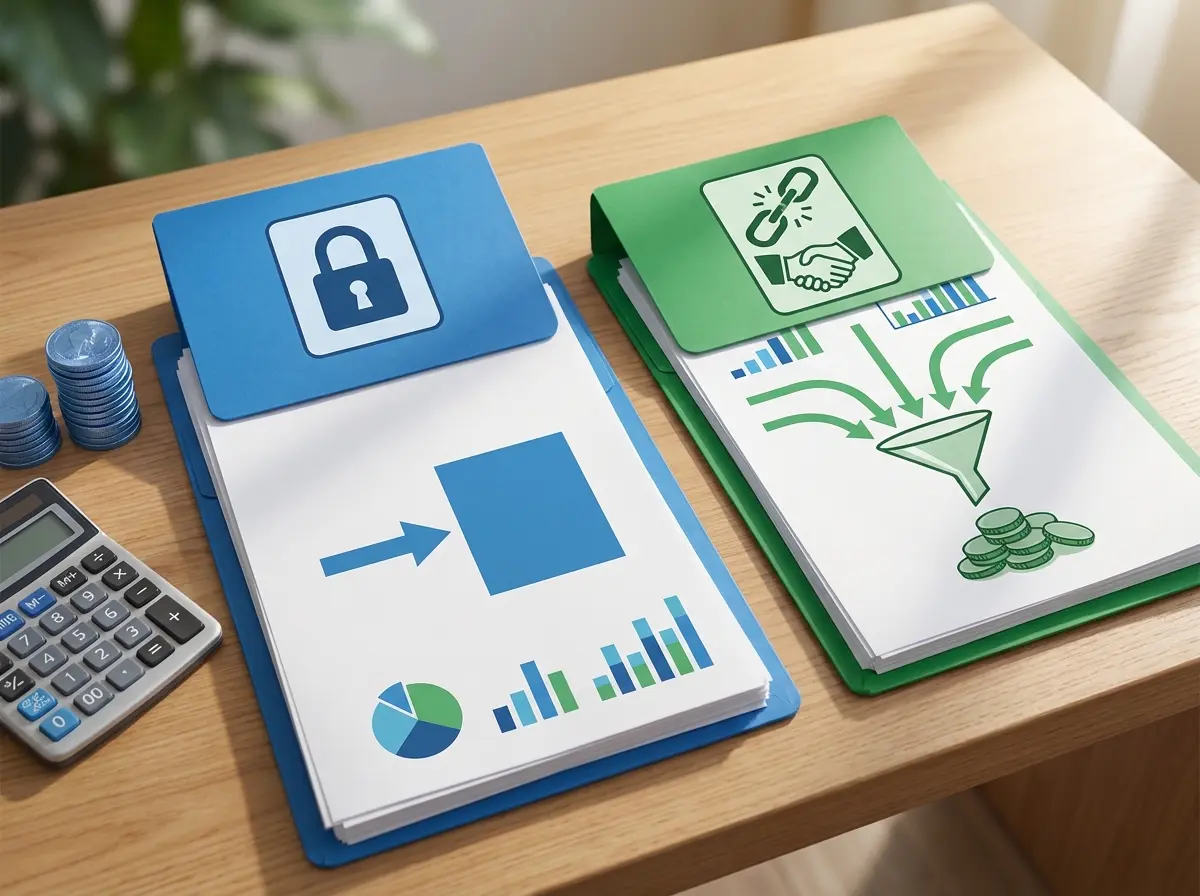
The term “enrollment” is used for two distinct financial products that serve different types of consumer credit needs. Most consumers are looking for a Debt Consolidation Loan, which is a new personal loan used to pay creditors. You enroll by signing a loan agreement, and the lender pays off your debts or provides the necessary cash for debt relief.
The second option is a Debt Management Plan (DMP), which is a structured program rather than a new loan. You enroll with a credit counseling agency that negotiates lower interest rates with your creditors on your behalf. You make one payment to the agency, and they distribute it to your creditors according to the new agreement for consolidating credit card debt.
This guide focuses primarily on the loan process, as it is the most common form of debt consolidation today. However, the documentation requirements are similar for both paths because you must prove your income and debt ownership. Both options aim to simplify your monthly payment into one manageable amount that fits your current household budget and financial stability goals.
- Calculate your total debt load and average interest rate before starting the debt consolidation enrollment process.
- Check your credit score to determine if you qualify for a lower rate and better debt relief programs.
- Decide between a debt consolidation loan or a debt management plan based on your creditworthiness.
Debt Consolidation Enrollment Process: Gathering Required Documentation
Lenders require proof that you can repay the new loan before they will finalize your application for funding. Having your documents ready speeds up the debt consolidation enrollment process significantly and reduces the chance of errors. If you scramble to find papers later, you risk delaying your funding and missing your payoff deadlines for consolidating credit card debt.
You will generally need to provide the following items to the lender:
- Proof of Identity: A government-issued ID like a driver’s license or passport.
- Proof of Income: The two most recent pay stubs or W-2 forms for verification.
- Proof of Residence: A utility bill or lease agreement in your name.
- Loan Statements: Recent statements for the credit cards or loans you want to pay off.
Some lenders connect digitally to your bank account to verify your monthly income and spending habits instantly. This technology, often called “instant verification,” removes the need to upload multiple PDF bank statements during the debt consolidation enrollment process. However, you should still have physical or digital copies of your files ready in case the automated system fails.
Step-by-Step Debt Consolidation Enrollment Process Guide to Consolidate Credit Card Debt
The actual enrollment process usually takes place online or over the phone through a secure lender portal. Most major lenders have streamlined their systems to be user-friendly for borrowers seeking quick financial relief and debt consolidation loan options. Follow these specific actions to complete your application and secure your new consolidation loan terms.
How to Navigate the Debt Consolidation Enrollment Process
Pre-Qualify with Multiple Lenders for Your Debt Consolidation Loan
Submit basic information to 3-5 lenders to see potential rates. This usually involves a “soft credit pull,” which does not hurt your credit score during the debt consolidation enrollment process.
Select the Best Offer Based on Interest Rates
Choose the loan with the lowest APR and lowest origination fees. Make sure the monthly payment fits your budget comfortably to ensure financial stability.
Submit the Formal Application for Enrollment
Provide your full documentation and consent to a “hard credit inquiry.” This step will temporarily lower your credit score by a few points as you consolidate credit card debt.
Sign the Promissory Note to Finalize the Process
Review the final terms and sign the electronic contract. This legally binds you to the new repayment schedule and funding terms for your debt consolidation loan.
Debt Consolidation Loan Underwriting and Credit Review Phase
Once you submit your formal application, the process moves out of your hands and into the lender’s system. The lender’s underwriting team reviews your file to verify the data and assess your overall creditworthiness. This stage of the debt consolidation enrollment process can take anywhere from a few hours to several business days depending on the lender’s internal protocols.
Underwriters look for stability in your employment history and want to see consistent income for the past two years. They will also calculate your new Debt-to-Income (DTI) ratio including the proposed debt consolidation loan to ensure you can afford it. If the new loan pushes your DTI too high, they may ask for a co-signer to mitigate their risk.
During this phase, the lender might contact you for clarification regarding your bank statements or employment dates. Respond to these requests immediately to keep your debt consolidation enrollment process moving forward without unnecessary delays. A fast response demonstrates your reliability and helps the underwriters make a final decision on your debt relief application.
Do not apply for new credit cards or make large purchases during the underwriting phase of your loan. Any change in your credit report can cause the lender to revoke their offer at the last minute, disrupting the debt consolidation enrollment process.
Loan Disbursement: Funding Your Debt Consolidation Enrollment Process
Approval is the green light, but the process is not complete until your high-interest debts are officially paid. There are two main ways lenders handle the money, and this distinction affects your workload during the final stages of consolidating credit card debt. Understanding these methods ensures that you do not accidentally miss a payment to your original creditors.
Direct Pay: The lender sends the money directly to your creditors using the account numbers you provided. This is the safest option because it guarantees the funds are used for their intended purpose of debt reduction. Many lenders offer rate discounts for choosing this method because it reduces the risk of borrower mismanagement during the debt consolidation enrollment process.
Cash to Borrower: The lender deposits the full loan amount into your checking account for you to distribute. You are then responsible for paying off each credit card and loan individually through their respective portals. This requires significant discipline to ensure you execute these payments immediately rather than spending the cash elsewhere, which is vital for financial stability.
Funding timelines vary by institution, with online lenders often funding loans within 24 to 48 hours of approval. Traditional banks and credit unions may take up to a week to process the final disbursement of funds for your debt consolidation loan. You should monitor your old accounts until you see the zero balance confirmed by each individual creditor.
- Underwriting typically takes 1-5 business days and may require extra documentation for your debt consolidation loan.
- Direct Pay options are safer and often come with interest rate discounts in many debt relief programs.
- Keep monitoring your old accounts until the payoffs are officially posted to ensure the debt consolidation enrollment process is complete.
Post-Enrollment: Managing Your New Debt Consolidation Repayment Plan
Completing the enrollment process is a major victory, but it is only the beginning of your debt-free journey. You now have one creditor instead of many, which simplifies your monthly tracking and reduces the risk of errors. You must set up autopay for your new debt consolidation loan immediately to ensure you never miss a deadline and maintain your financial stability.
The biggest risk after enrollment is running up new balances on your old credit cards that now show zero. You will suddenly see credit cards with high available limits, which can be tempting to use for small purchases. This behavior leads to a dangerous cycle where you have the new loan payment plus new credit card debt, undermining your debt relief efforts.
Consider closing some of your old accounts if you struggle with impulse spending or maintaining a strict budget. While keeping accounts open is generally better for your credit age, the financial risk of re-spending is far worse. Your goal is to pay down the principal on the consolidation loan until you are entirely debt-free and achieve long-term financial stability.
The debt consolidation enrollment process requires careful preparation and consistent attention to detail from start to finish. By gathering your documents early and responding quickly to lender requests, you can secure a loan that simplifies your finances. Take control of the paperwork today, and you will take control of your long-term financial future through effective debt relief programs.