

Managing high-interest bills can feel like an endless cycle, making it essential to have debt consolidation fees explained before attempting to regain control of your finances. This financial strategy involves utilizing a debt consolidation loan to aggregate multiple liabilities into a single account with one monthly payment. This approach often lowers your interest rate and simplifies your budgeting process.
However, moving your credit card debt around usually comes with a price tag, as banks and lenders charge various fees to process these transactions. If you do not watch these costs closely, you might end up paying more than you save over time. Understanding the fee structure is the most important step before you sign any paperwork to ensure you know exactly where your money goes.
The total cost depends on which method you choose, whether it is a balance transfer credit card, a personal loan, or a home equity loan. Some costs are upfront, while others are hidden in the fine print of your agreement.
This article breaks down every fee associated with debt consolidation so you can make the right financial decision with a new credit card or loan.
Debt Consolidation Fees Explained: Balance Transfer Credit Card Costs

One popular way to handle credit card debt is to move it to a new credit card. A balance transfer credit card allows you to move debt from high-interest credit cards to one with a lower rate.
Often, these cards offer a 0% introductory rate for a specific time, which can stop interest from growing while you pay down the principal.
The primary cost here is the balance transfer fee, which most issuers charge between 3% and 5% of the total amount you transfer.
For example, if you transfer credit card debt totaling $10,000, a 3% fee adds $300 to your new balance immediately. You must calculate if the interest savings outweigh this upfront charge.
You should also look at the annual fee, as some credit cards charge nearly $100 just to keep the account open. If your goal with debt consolidation is to save money, a high annual fee cuts into your benefits.
Always read the terms to see if the annual fee is waived for the first year.
Promotional Period Risks
The 0% rate does not last forever, and this timeframe is known as the promotional period, which usually lasts 12 to 21 months.
If you still have a credit card balance after this period ends, the remaining debt is subject to the standard interest rate. This regular rate can sometimes be higher than what you paid on your old cards.
Missing a payment can also trigger a penalty APR and a late fee. If you make a missed payment during the promotional period, the issuer might revoke your 0% offer immediately. This returns your entire card balance to a high interest rate, which could negatively affect your credit limit on the new account.
Do not use the new card for new purchases. New spending often incurs interest immediately and is not covered by the 0% transfer offer.
It is smart to do the math before you apply for a balance transfer card. If you can pay off the full amount within the promo window, the balance transfer fee is usually worth it. If you need more time, a debt consolidation loan might offer more stability.
- Balance transfer fees typically cost 3% to 5% of the transferred amount.
- Promotional 0% rates expire, leaving you with high interest if the debt remains.
- Missed payments can cancel your promotional rate immediately.
Personal Loan and Debt Consolidation Loan Origination Fees
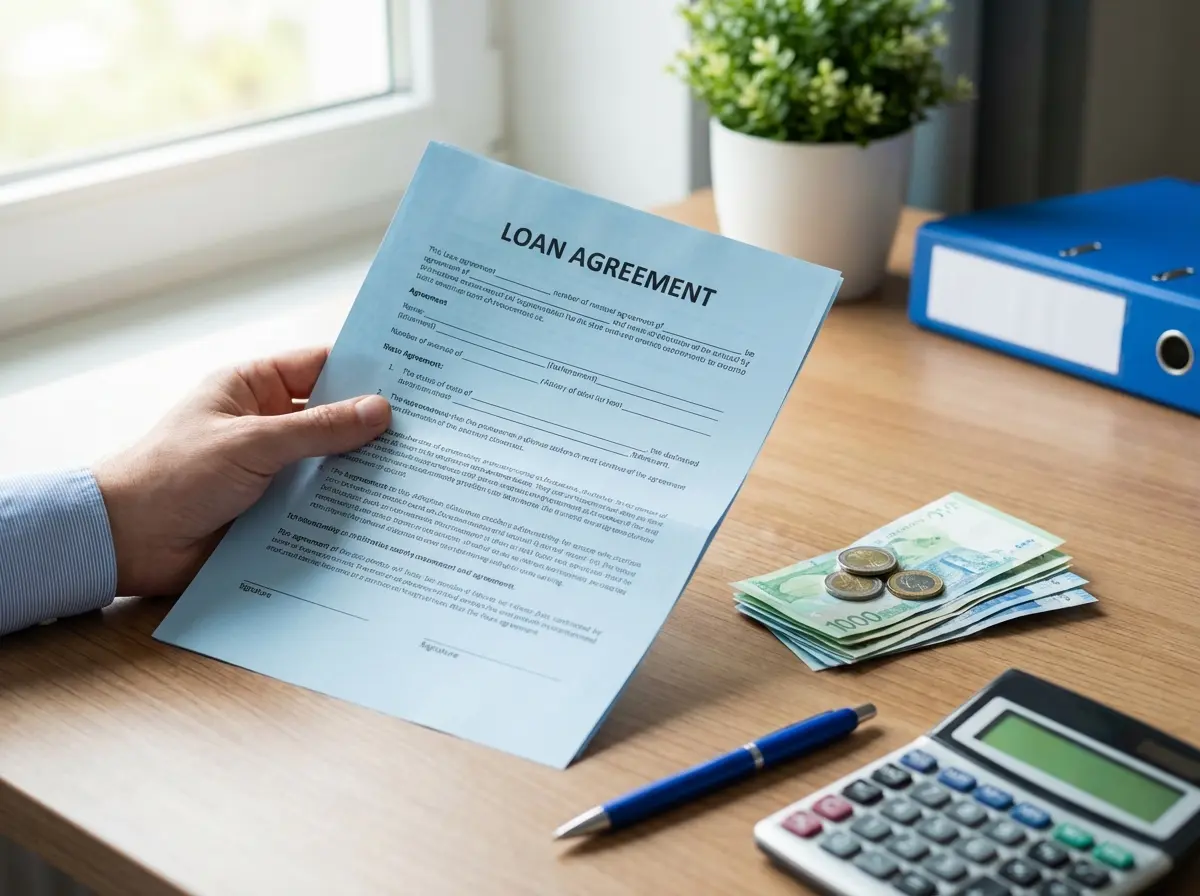
Taking out a personal loan is another common method for debt consolidation, often resulting in lower monthly payments for the borrower. You then repay the consolidation loan in fixed installments over a set period. This provides structure, but lenders charge for this service.
The most significant cost with personal loans is the origination fee, which lenders deduct from the loan amount before it reaches your checking account.
Origination fees typically range from 1% to 8% of the loan total. If you borrow $20,000 with a 5% fee, you only receive $19,000, yet you must repay the full $20,000 plus interest.
Your credit score plays a massive role in determining this fee, as borrowers with excellent credit might pay a low fee or no fee at all. However, if your score is lower due to high card debt, lenders view you as a higher risk and charge more. You must account for this deduction when calculating how much you need to borrow.
Prepayment Penalties
Some lenders charge a fee if you pay off your debt consolidation loan early, which is known as a prepayment penalty. Lenders do this because paying early reduces the amount of interest they collect from you. While many modern online lenders have eliminated this fee, some traditional banks still use it.
When shopping for a consolidation loan, ask specifically about prepayment penalties to ensure your payment plan remains flexible. You want the flexibility to clear your debt faster if your financial situation improves over the coming years. A loan that locks you into a long repayment period with penalties limits your freedom.
Debt Consolidation Home Equity Loan Expenses
Homeowners often consider using an equity loan to pay off debt because the interest rates are generally lower. Since your house secures the loan, the lender takes on less risk. However, debt consolidation using home equity involves significant closing costs that can surprise you.
Closing costs for equity loans can range from 2% to 5% of the loan amount. These costs cover appraisal fees, application fees, attorney fees, and title search fees. Unlike a simple credit card transfer, this process is similar to getting a mortgage, requiring time and upfront cash.
While the interest rate looks attractive compared to credit cards, the fees and risks make using home equity for consolidating debt a serious commitment. If you cannot make the monthly payment, foreclosure is a real possibility. You must weigh the lower rate against the potential loss of your property.
Debt Settlement and Debt Consolidation Program Fees
It is important to distinguish between debt consolidation and debt settlement, as consolidation combines debts while settlement involves negotiating to pay less than you owe.
A debt settlement company will ask you to stop paying your creditors and instead deposit money into a separate account.
The fees for a debt consolidation program or debt relief service are often high, sometimes making it harder to manage your credit card balances.
Most companies charge a percentage of the total debt enrolled, usually between 15% and 25%. If you enroll $30,000 of debt, the company could take $7,500 in fees, which significantly reduces your overall savings.
Additionally, there may be monthly service fees for the account where you hold your funds. A financial advisor might warn you that this method severely damages your credit score while late fees and interest continue to pile up. This increases the total balance the company tries to settle, often negating the benefits of the program.
Non-profit credit counseling agencies often offer a Debt Management Plan (DMP) with lower fees than for-profit settlement companies.
How to Calculate the Real Cost and Total Impact of Debt Consolidation
Before you commit to any debt consolidation strategy, you must run the numbers to see how it affects your monthly payments. A lower monthly payment often means a longer loan term, which results in more total interest paid. You need to compare your current path against the new consolidation loan or transfer credit offer.
Many people focus only on the interest rate, but you must add the origination fee, balance transfer fee, and any other closing costs. If the fees equal the interest savings, the effort might not be worth it. Proper planning helps you avoid trading one expensive debt for another without gaining a financial advantage.
How to Evaluate Debt Consolidation Costs
List All Current Debts
Write down the balance, interest rate, and monthly payment for every credit card and loan you want to consolidate.
Get Quotes for Consolidation
Apply for pre-qualification on debt consolidation loans or check terms for a balance transfer credit card. Look specifically for the APR and origination fees.
Compare Total Costs
Calculate the total amount you will pay over the life of the new loan (Monthly Payment x Months + Fees). Compare this to your current total debt cost.
Debt Consolidation and The Impact on Your Credit Score
Every time you apply for a new credit card or loan, it impacts your credit score. When you shop for debt consolidation loans, lenders perform a hard inquiry on your report, which can drop your score by a few points temporarily. However, if you apply to many lenders over a long period, the damage can add up.
On the positive side, debt consolidation can help your score over time. Paying off maxed-out credit cards with a personal loan lowers your credit utilization ratio, which is a major factor in your score calculation. As you pay down the installment loan, your history of on-time payments further boosts your profile.
Be careful not to run up balances on your old credit cards again, as this is a common trap. If you clear a card with a consolidation loan and then max it out again, you end up with double the debt. This behavior will ruin your credit score and your long-term financial stability.
Management Plans vs. Settlement
A debt management plan or a formal debt consolidation program usually has a neutral or positive effect on your credit profile. You repay the full principal, which lenders like to see.
In contrast, debt settlement negatively marks your credit report, showing that you did not pay the full amount. This mark stays on your report for seven years, making it hard to get future loans.
A Note on Student Loans
While most people think of credit card debt, you might also have a student loan that requires a different approach to consolidation.
Consolidating federal student loans is usually free through the government. However, refinancing private student loans involves private lenders and similar credit checks to personal loans.
Always keep federal and private loans separate to protect your federal benefits.
Choosing the Right Debt Consolidation Path
The market for debt consolidation is vast, and the right choice depends on your specific needs. If you have a smaller amount of credit card debt and good credit, a balance transfer card with a transfer fee of 3% is often the cheapest route. You can attack the principal aggressively without interest slowing you down.
For larger debts, a debt consolidation loan provides a structured repayment plan that helps you manage your monthly obligations more effectively. The fixed monthly payment makes budgeting easier. Even with an origination fee, the interest rate is often lower than credit card APRs, working well if you need three to five years to become debt-free.
Debt settlement or debt relief programs should be a last resort because the fees are high and the damage to your credit is severe. Only consider this if you are already missing payments and facing bankruptcy. A consolidation program through a non-profit agency is a safer middle ground for those struggling to qualify for traditional loans.
Ultimately, debt consolidation involves combining liabilities to secure better terms on your credit cards. But better terms mean nothing if the fees eat up your savings. You must read every line of the agreement, looking for the transfer fee, the origination fee, and any maintenance costs.
Your financial goals should dictate your strategy.
For instance, if you want to improve your credit score, avoid debt settlement.
If you want the lowest monthly cost, extend the term but accept that you will pay more interest in the long run.
Consolidated credit is a tool, and like any tool, it works best when used correctly.
- Personal loans often charge origination fees up to 8% based on your credit score.
- Debt settlement damages your credit score and involves high fees on enrolled debt.
- Comparing total costs, including fees, is more accurate than just comparing interest rates.
Conclusion
Effective debt consolidation offers a viable way to escape the burden of high-interest bills and high credit card rates, provided you have the debt consolidation fees explained clearly.
Whether you choose a balance transfer credit card, a personal loan, or an equity loan, you must account for the fees. These costs can eat away at the benefits if you are not careful.
A balance transfer credit might cost you 3% upfront, while debt consolidation loans could charge much more in origination fees.
Remember that debt consolidation does not erase debt; it simply moves it to a new structure. The goal is to lower your interest and simplify your life with one monthly payment.
If you understand the fee structures and have a solid debt payment plan, you can save thousands of dollars. Take the time to compare offers, check your credit score, and read the fine print to ensure your path leads toward financial freedom.
Debt won’t fix itself — but the right plan can. Use Simple Debt Solutions to compare multiple loan offers in one place and find the option that helps you pay less and get out of debt faster.