

Debt often feels like a heavy weight that follows you through every part of your day. You want to get rid of it as fast as possible to regain control of your financial life. Understanding the debt consolidation timeline is essential for anyone looking to combine multiple balances into a single monthly payment with a lower interest rate.
The timeline for credit card debt consolidation varies significantly based on the method you choose and your personal financial profile. Some borrowers might see funds in their accounts within 24 hours, while others could wait several weeks for final approval to clear their balances.
Understanding each stage of the debt consolidation loan process helps you manage your expectations and plan your monthly payments accordingly. You need to know exactly what happens behind the scenes once you submit that application.
This guide breaks down every phase of the debt consolidation timeline to give you a clear roadmap toward your financial goals. We will examine the specific steps involved, from the initial research to the final payoff of your old creditors. You will also learn about the factors that speed up or slow down the debt relief timeline so you can take action.
How Long Does Debt Consolidation Take?

Most borrowers can expect the entire debt consolidation loan process to take between two and six weeks on average.
This estimate includes everything from the moment you start researching lenders to the day your old credit card balances hit zero. The wide range of debt management options exists because every financial situation is different and lenders operate at different speeds.
A straightforward personal loan application with an online lender might wrap up in days, while a complex file at a traditional bank could drag on for a month.
The type of debt consolidation loans you select plays the biggest role in determining your specific debt consolidation timeline.
Personal loans generally offer the fastest route to relief because they are designed for speed and efficiency. Balance transfer credit cards are also relatively quick, though receiving the physical card in the mail adds a few days to the process. Home equity loans or lines of credit take significantly longer because they require property appraisals and extensive underwriting.
Your own responsiveness also dictates the pace of the transaction and how quickly you can improve your credit score. If you provide the requested documents immediately, the underwriter can move your file to the next stage without delay.
Ignoring an email or missing a phone call from the lender can stall your application for days. You should stay alert and ready to act throughout the entire process of consolidation loans.
- Most consolidations take 2 to 6 weeks from start to finish.
- Personal loans are typically faster than home equity options.
- Your responsiveness to lender requests directly impacts speed.
The Debt Consolidation Loan Process: Step-by-Step Guide
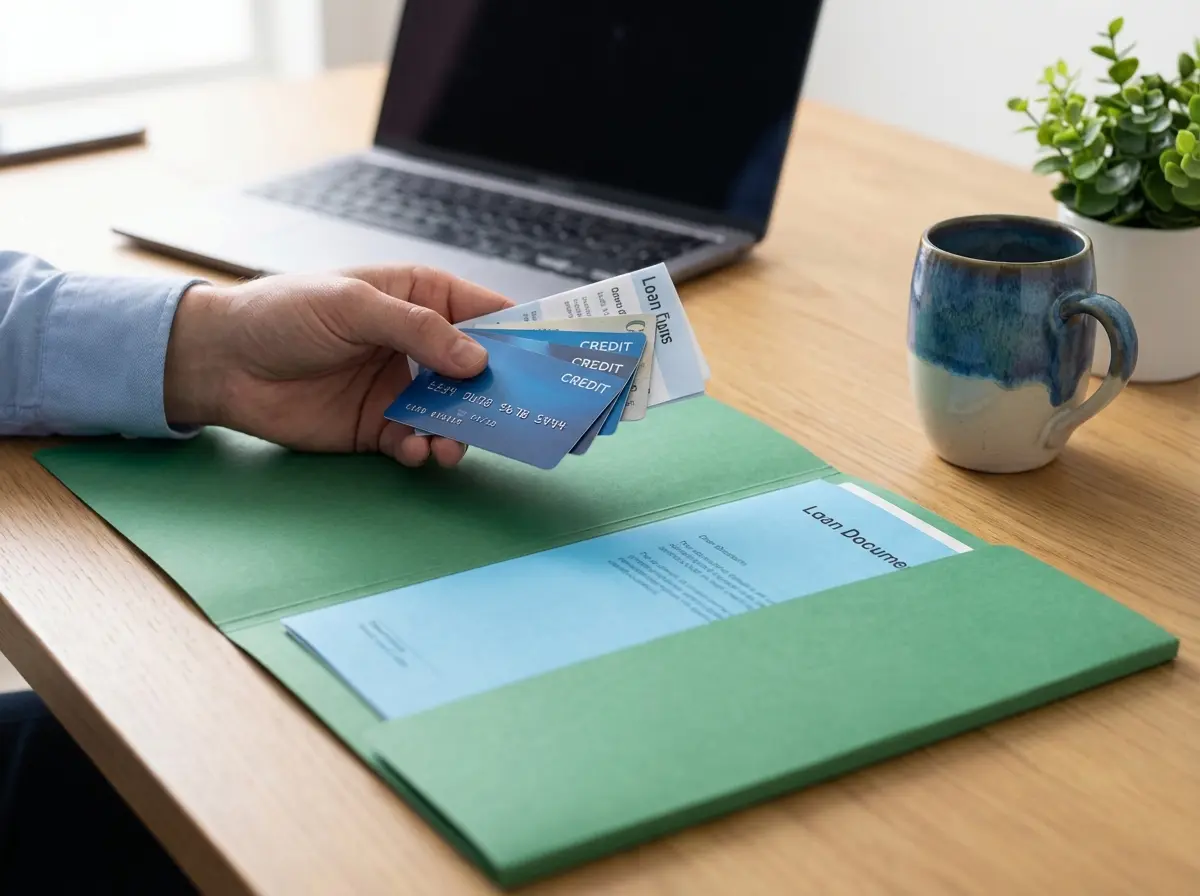
Breaking the debt consolidation timeline down into actionable phases clarifies what you need to do at each turn. The following steps outline the typical progression for a personal loan for debt, which is the most common method used by consumers.
While times vary, these stages remain consistent across most major lenders.
How to Complete the Consolidation Process
Gather Financial Documents for Your Debt Consolidation Loan (Days 1-3)
Collect your most recent pay stubs, bank statements, and tax returns before you apply. You also need a list of all debts you want to pay off, including account numbers and exact payoff balances.
Prequalify and Compare Interest Rates (Days 4-5)
Use online tools to check rates with multiple lenders without hurting your credit score. Compare the interest rates, origination fees, and repayment terms to find the best deal for your budget.
Submit Formal Application to Protect Your Credit Score (Day 6)
Select your lender and fill out the official application. This step triggers a hard credit inquiry, which may temporarily lower your credit score by a few points.
Underwriting and Approval (Days 7-10)
The lender reviews your file to verify your identity, income, and debt-to-income ratio. They may ask for additional explanations regarding specific transactions or credit history items.
Funding and Payoff (Days 11-14)
Once approved, the lender sends the funds. They either deposit money into your bank account or send payments directly to your creditors to close out the old balances.
Interest Rates and Speed: How Lender Types Affect the Debt Consolidation Timeline
The financial institution you choose has a massive impact on how fast you cross the finish line.
Online-only lenders are generally the speed champions in the personal loans industry. They use advanced algorithms to analyze your credit score instantly, often providing approvals within minutes and funding within 24 to 48 hours. Their systems are built to handle volume efficiently without manual intervention for straightforward personal loan applications.
Traditional banks and credit unions typically move at a slower, more deliberate pace. You might need to visit a branch to sign paperwork or wait for a loan officer to manually review your file.
While this process can take one to two weeks, these institutions sometimes offer lower interest rates to existing customers. The trade-off here is usually time versus relationship benefits and long-term repayment terms.
Peer-to-peer (P2P) lending platforms add another variable to the debt consolidation timeline. After your loan is approved, it gets listed on a marketplace for investors to fund. This funding phase can take anywhere from a few days to a week, depending on investor interest in your loan grade.
While technology drives these platforms, the reliance on third-party investors introduces a waiting period that direct lenders do not have.
Check if the lender offers “direct pay” to creditors. This service can speed up the payoff process and sometimes qualifies you for a rate discount.
Credit Score and Documentation: Factors Impacting the Debt Consolidation Loan Timeline
Even with the fastest lender, certain issues can bring your application to a grinding halt.
The most common delay is incomplete or illegible documentation provided by the borrower. If you upload a blurry photo of a pay stub or a bank statement that is missing pages, the underwriter must stop and request a new copy. This back-and-forth communication can easily add three to five days to your debt relief timeline.
Credit report discrepancies also trigger manual reviews that slow things down significantly. If your credit report shows a different address than your application, or if there is a fraud alert on your file, the lender must verify your identity.
You should check your credit reports beforehand to fix any errors that might confuse the automated systems. Being proactive here saves you frustration later and protects your credit score.
Self-employment income is another factor that requires extra time for verification.
Unlike W-2 employees who have standard pay stubs, business owners must provide tax returns and profit and loss statements. Lenders need to calculate your qualifying debt-to-income ratio carefully to verify you can afford the monthly payments. This detailed analysis often adds a week or more to the underwriting phase.
Personal Loans and Preparation: Tips to Speed Up the Debt Consolidation Process
You can influence the speed of your debt consolidation loan by being organized and responsive.
Start by creating a digital folder with clear PDF copies of your driver’s license, two recent pay stubs, and your last W-2 form. Having these ready to upload the moment you apply eliminates the scramble to find paperwork. Lenders appreciate a complete file and often prioritize applications that are ready for immediate review.
Unfreezing your credit reports at all three major bureaus — Equifax, Experian, and TransUnion — is a critical step before applying. If a lender attempts to pull your credit and hits a freeze, the application is automatically suspended until you resolve it. You can manage these freezes instantly through each bureau’s website or app.
Taking this step in advance prevents an avoidable bottleneck in your debt consolidation timeline.
Finally, monitor your email and phone constantly after you hit submit. Lenders often have quick questions or need a simple clarification to finalize their decision. If you let a voicemail sit for two days, you are voluntarily extending your wait time.
Treat every communication from the lender as urgent to keep the momentum going toward your financial goals.
Do not use your credit cards while your application is pending. Changing your balances can alter your debt-to-income ratio and cause the lender to restart the underwriting process.
Monthly Payments and Final Steps: Completing Your Debt Consolidation Timeline
Receiving an approval notice is a relief, but the process isn’t quite finished yet. You must review the final loan agreement carefully to verify that the interest rate, term length, and monthly payment match what you expected.
Once you sign the digital documents, the lender initiates the funding process. This is the moment the clock starts ticking on the actual debt payoff.
If the lender pays your creditors directly, it can take up to 10 business days for those payments to reflect on your old accounts. You should continue making minimum payments on your credit cards during this window to avoid late fees or accidental missed payments.
Never assume the balance is zero until you see it confirmed on your credit card statement. A missed payment right at the finish line can damage your credit score.
Occasionally, there may be a small remaining balance on your old cards due to “residual interest.” This happens because interest accumulates daily between the time you requested the payoff quote and when the payment arrives.
You are responsible for paying this final small amount to fully close the account. Check your statements one last time about a month after consolidation to verify everything is clean.
- Continue making payments on old debts until the zero balance is confirmed.
- Direct payments to creditors can take up to 10 days to post.
- Watch out for residual interest charges on your final statements.
Conclusion
Understanding the debt consolidation timeline allows you to approach the process with confidence rather than anxiety. While the average time frame is two to six weeks, your preparation and choice of lender can significantly shorten that window.
Remember that accuracy is more important than speed; taking an extra day to gather the right documents can save you a week of delays.
Stay proactive, keep your credit frozen until necessary, and monitor your old accounts until every penny is paid. With a clear plan, you will move through this financial transition smoothly and reach your goal of being debt-free.
Don’t settle for the first loan you see. With Simple Debt Solutions, you can line up different offers side by side and choose the one that saves you the most money.