
Paying off credit card debt feels like a massive financial victory for any consumer who has struggled with high-interest balances. However, many individuals often wonder, how long does it take for your credit score to improve after paying off debt? You naturally expect your credit score to jump up the moment the transaction clears your bank account. The reality requires a bit more patience, as the reporting system for credit scores runs on its own specific monthly schedule. Understanding how credit scores fluctuate is essential for anyone looking to master their personal finance and achieve long-term stability. This delay can be frustrating, but it is a standard part of the modern financial ecosystem that governs your credit report.
Most lenders report account data to the major credit bureaus once per billing cycle, usually every thirty days. This means a zero balance might not reflect on your credit report for thirty to forty-five days after your final payment. Your credit score will remain unchanged until those updated figures officially enter the bureau’s database and are processed. Because each credit card issuer has a different reporting date, your credit reports may show different information at different times. This discrepancy is why your credit scores might vary slightly between Equifax, Experian, and TransUnion during the transition period.
Understanding this timeline helps manage expectations as you work to build a robust credit history and improve your overall financial health. We will explore exactly how long this process takes and what specific factors influence your score improvement speed. Let us break down the mechanics of credit reporting so you can accurately track your progress toward a better financial future. By focusing on financial education, you can better navigate the complexities of credit accounts and secure more favorable loan rates. Whether you are dealing with a car loan or student loans, the principles of credit scores remain relatively consistent across all platforms.

Once you submit that final installment loan payment, the clock starts ticking for your credit report update to occur. Lenders do not update credit reports in real time, as they prefer processing data in large, efficient monthly batches. They typically send these comprehensive updates to the bureaus at the end of your monthly payment statement period. This delay is standard across the industry, affecting everything from a credit card to various types of auto loans. If you are on active duty, you may have additional protections, but the reporting cycle remains the same for everyone.
If you pay off a credit card right after the statement closes, you face a slightly longer wait for results. The issuer will not send the new zero balance out until the current billing cycle officially concludes. You must wait approximately one full month to see the positive change reflected on your credit report accurately. During this time, your credit score might seem stagnant, but the data is simply waiting to be transmitted and analyzed. Consistent payment history is being recorded in the background, which eventually bolsters your credit scores once the update is finalized.
After the major agencies receive the data, it can take another few days for their algorithms to recalculate your credit score. Most free credit tools update weekly, but the underlying credit report data changes less frequently than the score itself. If you are checking a free credit score through your bank, ensure you know when they pull the data. Sometimes, a credit account update happens just after your credit monitoring service refreshes, leading to a month-long lag in visibility. Patience is a virtue when waiting for your credit score to reflect your hard work and financial discipline.
It is also important to note that different scoring models, like FICO and VantageScore, may react differently to these updates. While one model might show an immediate jump, the other might take longer to incorporate the new credit report information. This is why checking your official credit report from all three bureaus is a wise move. By doing so, you can ensure that the zero balance is being reported consistently across the entire financial landscape. Monitoring these updates allows you to verify that your credit card issuer is fulfilling their reporting obligations correctly.
Credit Card Impact: How Different Debt Types Affect Your Credit Score and Credit Scores
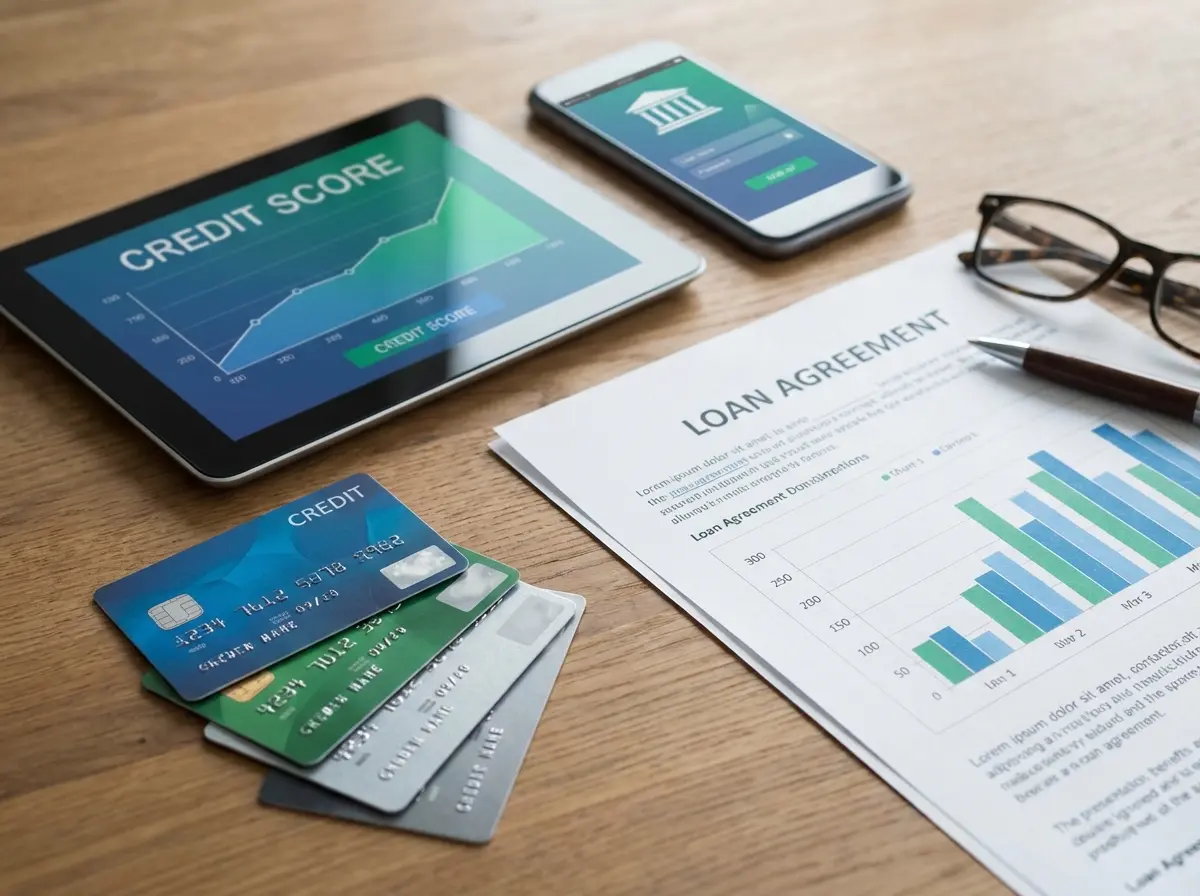
Not all debt is created equal when it comes to how it impacts your credit scores over the long term. Paying off revolving credit, such as credit cards, usually results in a faster and more significant credit score increase. This is because your credit utilization ratio is a major factor in most modern scoring models. When you lower your credit card balances, your utilization ratio drops, which the credit score algorithm views very favorably. A lower credit utilization level signals to lenders that you are a lower-risk borrower who manages debt responsibly.
Conversely, paying off an installment loan, like an auto loan or student loan, might have a different immediate effect. While it improves your overall personal finance picture, it can sometimes cause a small, temporary dip in your credit score. This happens because the credit account is closed, which can slightly reduce your credit mix and the average age. However, this dip is usually minor compared to the long-term benefits of being completely debt-free and having more cash flow. Your credit scores will eventually stabilize as you continue to manage other credit cards and accounts with diligence.
For those managing a small business, paying off business-related credit card debt can also impact personal credit scores significantly. Many small business credit accounts are personally guaranteed, meaning they appear directly on your personal credit report for review. Reducing these card balances can free up your credit limit and improve your overall credit score for future borrowing. It is important to review the advertiser disclosure and privacy policy of any debt management tool you use. These tools can help you track how different credit cards contribute to your total credit utilization ratio and score.
The concept of “credit mix” is another reason why different debts affect your credit report in unique ways. Lenders like to see that you can handle both revolving credit card debt and fixed installment loans simultaneously. If paying off a loan leaves you with only one type of credit, your credit scores might fluctuate slightly. However, the reduction in total debt is always a positive move for your personal financial health and long-term goals. Maintaining at least one active credit card with a low balance can help keep your credit history active and healthy.
Score Improvement Factors: How long does it take for your credit score to improve after paying off debt
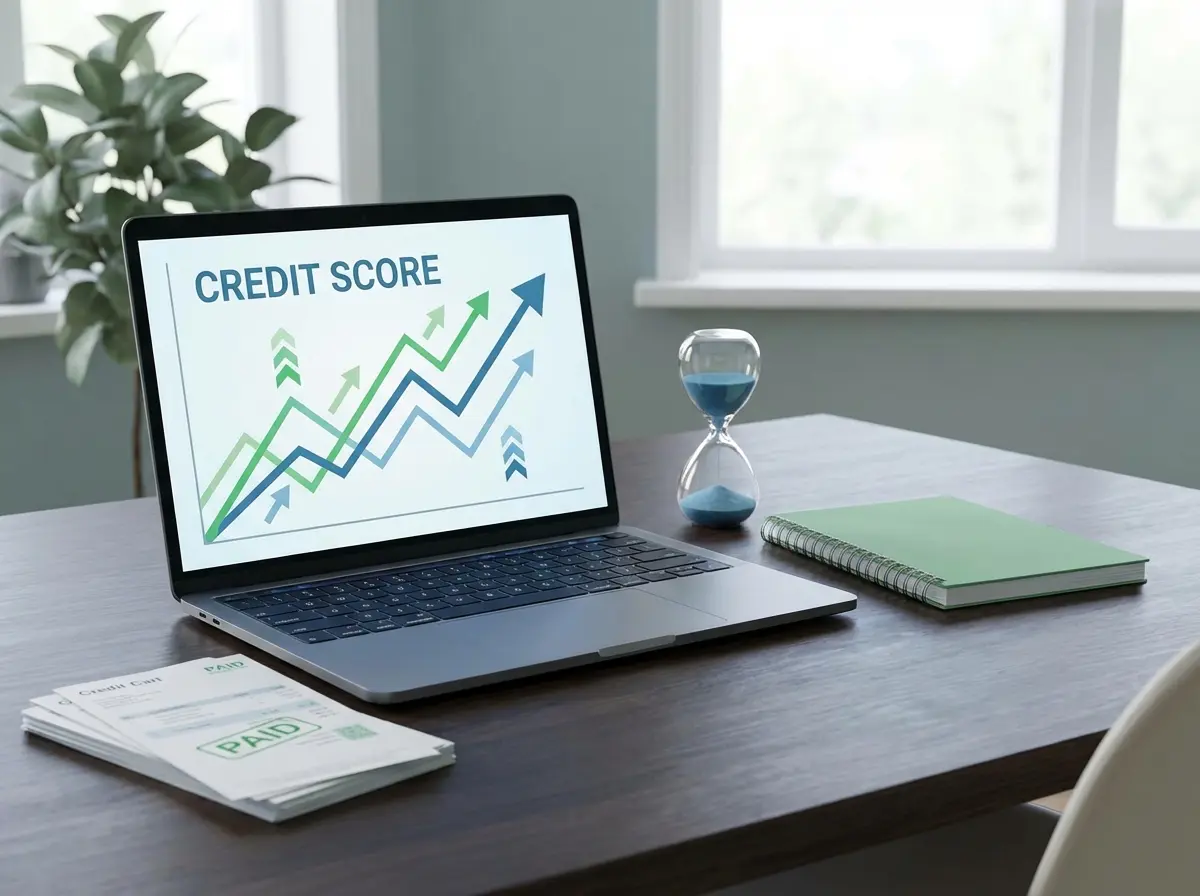
When asking how long it take for your credit score to improve after paying off debt, you must consider debt settlement. If you settle a debt for less than the full amount, your credit report will reflect this specific status. While better than an unpaid collection, debt settlement does not help your credit score as much as a full payment. The credit scores of individuals who settle debt may take longer to recover because the account is marked as “settled.” This can stay on your credit reports for up to seven years, potentially affecting your future loan rates.
Another factor is the presence of late payments in your credit history that may still be lingering on the report. Even if you pay off the balance today, previous late payments will continue to weigh down your credit score. However, as these late payments age, their negative impact on your credit scores diminishes significantly over the passing months. To support credit health, you should focus on making all future payments on time without any further exceptions. This builds a positive payment history, which is the single most important component of your credit score calculation today.
The total credit limit across all your credit cards also plays a role in how fast your credit score recovers. If you pay off one credit card but have high balances on others, your credit utilization may still be high. Consider a balance transfer to consolidate debt, but be wary of the fees and the impact on your credit report. To truly see your credit score rise, you need to lower the card balances across all your credit accounts. This comprehensive approach to debt management is the most effective way to see a significant improvement in score quickly.
Furthermore, the age of your credit report and the length of your credit history provide the foundation for your score. If you are relatively new to credit, paying off debt might result in a more dramatic credit score shift. For seasoned borrowers, the changes might be more subtle but are equally important for maintaining high credit scores. Every positive action you take is recorded on your credit report, creating a roadmap for future financial success and stability. When you support credit health, you are essentially investing in your future financial flexibility and purchasing power.
Credit Monitoring and Identity Theft: Credit Monitoring, Identity Theft, and External Variables
Using a credit monitoring service is a proactive way to track changes in your credit scores and overall profile. These services alert you to changes in your credit report, such as a new credit account or a change. They are also vital for detecting identity theft, which can devastate your credit score and reputation overnight. If you notice suspicious activity, you should immediately place a fraud alert on your credit reports to prevent further damage. Protecting your credit scores from unauthorized access is just as important as paying off your credit card debt regularly.

Many consumers utilize free credit services to keep an eye on their credit score without paying a monthly fee. These platforms often provide consumer support and financial education resources to help you understand your credit report better. However, always read the privacy policy to understand how your data is being used and shared by these companies. Some services may offer credit support or credit advice that is tailored to your specific financial situation. Knowing your free credit score allows you to apply for auto loans or mortgages with much more confidence.
External variables, such as auto insurance companies, also look at your credit scores to determine your monthly premiums. In many states, a higher credit score can lead to lower insurance costs, saving you significant money every month. This is another reason why the question of how long it takes for your credit score to improve after paying off debt is so critical. Improving your credit report has a ripple effect across your entire personal finance life and daily expenses. From better loan rates to lower insurance costs, the benefits of a high credit score are truly numerous.
Additionally, potential employers or landlords may check your credit report as part of a background screening process. A clean credit history and a high credit score can make you a more attractive candidate for jobs or housing. This highlights the importance of maintaining a healthy credit card balance and avoiding unnecessary debt whenever possible. Your credit scores are more than just numbers; they are a reflection of your reliability and financial responsibility. By staying informed through credit monitoring, you can ensure that your credit report always puts your best foot forward.
Credit Card Habits: Maintaining Healthy Habits for Long-Term Credit Score Success
To maintain high credit scores, you must develop habits that go beyond just paying off a single credit card. Keep your credit card balances low relative to your credit limit to ensure a healthy utilization ratio always. Avoid closing old credit accounts, as they contribute significantly to the length of your credit history and overall score. Even if you don’t use a credit card often, keeping it open can support credit health by increasing available credit. This strategy helps keep your credit utilization ratio in the ideal range, which is typically below thirty percent.
Regularly reviewing your credit reports for errors is another essential habit for personal finance success and peace of mind. Mistakes on a credit report can unfairly lower your credit score and take several months to correct through disputes. If you find an error, contact the consumer support department of the relevant credit bureau immediately to start the process. Providing credit support for your own profile ensures that your credit scores accurately reflect your actual financial behavior. Remember, your credit score is a living document that requires regular attention and financial education to maintain properly.
Finally, be mindful of how often you apply for new credit cards or auto loans in a short period. Each hard inquiry can cause a temporary dip in your credit score that takes time to recover from fully. Space out your applications to allow your credit scores to recover between inquiries and show stability to lenders. By practicing disciplined debt management and monitoring your credit report, you can achieve a credit score that opens doors. Whether you are looking for a small business loan or a new car loan, a strong score is vital.
Another healthy habit is setting up automatic payments for your credit card and other monthly bills to avoid slips. Even one missed payment can stay on your credit report for years and significantly damage your credit scores. By automating your personal finance tasks, you ensure that your payment history remains flawless and your score stays high. This consistency is what lenders look for when determining your eligibility for the best loan rates available. Over time, these small habits build a credit history that serves as a powerful asset for your future.
Conclusion
In conclusion, the journey to a better credit score is a marathon, not a sprint, requiring consistent effort and time. While the answer to how long it takes for your credit score to improve after paying off debt is usually 30 to 45 days, the long-term benefits are worth the wait. By managing your credit card debt, maintaining a low utilization ratio, and monitoring your credit reports, you can take control. Your credit scores are a direct reflection of your hard work and dedication to personal finance excellence and growth.
Stay vigilant against identity theft and use credit monitoring to keep your credit accounts and personal information secure. With the right financial education and a commitment to healthy credit history habits, you will see your score improve. Whether you are paying off student loans or a monthly payment on an installment loan, every single step counts. Your credit score is a powerful tool—use it wisely to secure the best loan rates and financial peace of mind. By understanding the nuances of the credit report, you are better equipped to navigate the path to financial freedom.