

Managing multiple monthly payments for credit card debt quickly becomes an overwhelming financial burden for many households seeking a fresh start. Debt consolidation offers a clear path out by combining several high-interest balances into one single, manageable loan. However, you must first determine the minimum credit score for debt consolidation to qualify for the most favorable terms and interest rates.
Financial institutions require borrowers to meet specific criteria before approving these loan applications to mitigate their lending risk effectively. The minimum credit score for debt consolidation generally falls around 600 for most traditional lenders and local credit unions. Online lenders sometimes accept lower scores for bad credit debt consolidation, but those approvals come with significantly higher borrowing costs and fees.
Are you wondering if your current credit profile qualifies for a favorable consolidation loan from a top-tier financial lender? Borrowers with excellent credit access the best interest rates, while those with lower scores face potential rejection or higher costs. Let us examine the exact numbers you need and strategies to improve your overall approval odds for debt relief today.
Understanding the Minimum Credit Score for Debt Consolidation and Loan Requirements

A personal loan for debt consolidation functions as a standard installment loan used to pay off existing creditors and simplify finances. You receive a lump sum from a financial institution and use those funds to zero out high-interest credit card debt balances. This process streamlines your monthly finances because you only have one fixed monthly payment to track and manage each month.
The primary objective involves securing a lower interest rate than your current revolving debts charge on average across all accounts. According to recent data from the Federal Reserve, average credit card interest rates frequently exceed 20 percent for many consumers. Replacing high-interest consumer debt with a lower-rate personal loan saves borrowers thousands of dollars over the total repayment term.
Personal loans typically feature fixed interest rates, meaning your monthly payment never changes during the life of the loan term. This stability provides significant relief for consumers who struggle with fluctuating credit card minimum payments and rising variable interest rates. You can confidently budget your monthly income knowing exactly how much money pays down your principal debt each month.
Evaluating the Financial Benefits of a Personal Loan for Debt Consolidation
Consolidating your debt simplifies your monthly financial obligations immediately after the loan funds are disbursed to your various creditor accounts. You no longer need to monitor multiple due dates or worry about paying separate late fees to different credit card companies. A single fixed payment provides much-needed predictability for your monthly household budget planning and achieving long-term financial goals.
Many borrowers also appreciate the clearly defined timeline for becoming completely debt-free through a structured and predictable repayment plan. While credit cards offer revolving credit lines with no fixed end date, consolidation loans follow a strict and transparent amortization schedule. You know exactly which month and year your debt will be fully satisfied based on the initial loan contract.
Furthermore, moving debt from revolving accounts to an installment loan positively alters your credit mix for various scoring models. Credit bureaus favor consumers who successfully manage different types of credit products simultaneously over a long period of time. This subtle shift in your account types gradually improves your overall credit profile and FICO score over the loan’s life.
- Debt consolidation streamlines multiple high-interest balances into a single fixed monthly payment.
- Fixed interest rates protect borrowers from fluctuating credit card minimum payment requirements.
- Transferring revolving debt to an installment loan establishes a clear timeline for becoming completely debt-free.
Baseline Minimum Credit Score for Debt Consolidation and Lender Requirements
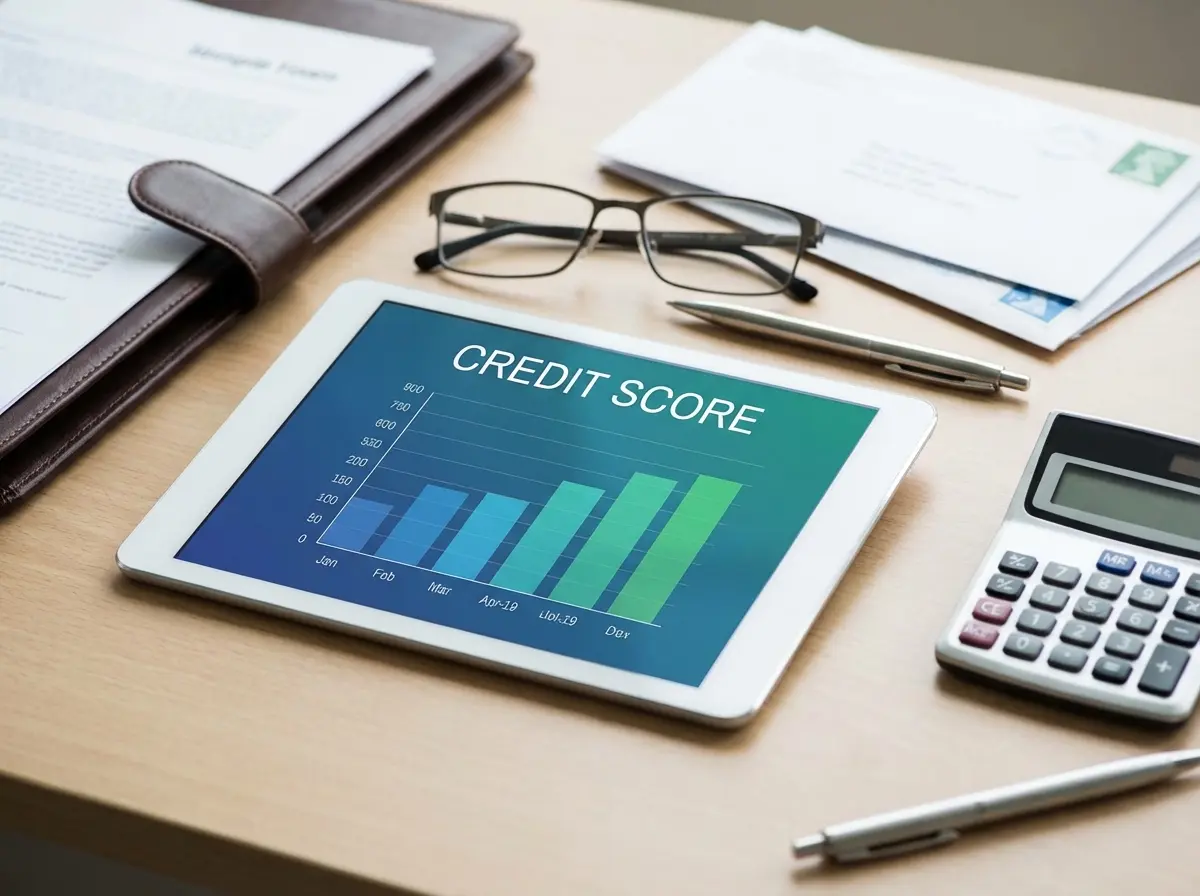
Most traditional banks and credit unions require a minimum credit score of 600 to qualify for debt consolidation funding. Some specialized online lenders accept scores as low as 580, but they cater specifically to bad credit debt consolidation needs. Meeting the absolute minimum requirement rarely guarantees approval or favorable loan terms from any major national financial institution.
Lenders reserve their most competitive interest rates for borrowers boasting FICO scores above 720 on their official credit reports. If your score sits in the fair credit range between 580 and 669, expect significantly higher interest charges. You must carefully calculate whether the new loan actually saves you money compared to your current high-interest credit card debt.
Credit scores only tell part of your financial story during the formal application process for a new consolidation loan. Lenders heavily scrutinize your debt-to-income ratio to verify you can afford the new monthly payment comfortably each month. Most financial institutions prefer a debt-to-income ratio below 36 percent before they approve a new personal loan application for consumers.
How Interest Rates and FICO Scores Vary by Credit Tier
Borrowers with exceptional credit scores above 800 generally secure single-digit interest rates on consolidation loans from most major lenders. These prime borrowers present minimal risk to the lender, resulting in the most favorable borrowing conditions and terms available today. Securing these low rates maximizes the total amount of money saved during the long-term debt payoff journey.
Consumers in the good credit tier, ranging from 670 to 739, typically receive average interest rates on their personal loans. These rates usually fall between 10 and 15 percent, which still beats most standard high-interest credit card offers. This tier represents the majority of successful debt consolidation applicants in the current competitive and evolving financial market.
Those with fair or poor credit face steep borrowing costs that sometimes exceed 25 percent in total annual interest. At these elevated rates, a consolidation loan might cost more than simply paying down the existing high-interest credit cards. Borrowers in this category should focus heavily on credit repair and FICO score improvement before applying for new financing.
How to Improve Your Approval Odds for a Personal Loan for Debt Consolidation
Submitting an application with a borderline credit profile often leads to outright rejection or extremely expensive loan terms. You can take proactive measures to strengthen your financial standing before approaching lenders for a personal loan for debt consolidation. Following a strategic preparation process significantly increases your chances of securing the funding you need for effective debt relief.
Steps to Strengthen Your Application
Review Your Credit Reports for FICO Score Errors
Dispute any inaccurate late payments or fraudulent accounts dragging down your score unnecessarily before applying for a loan. Removing negative marks provides the fastest possible boost to your overall credit profile and approval odds.
Lower Your Credit Utilization and Debt-to-Income Ratio
Pay down small balances on active credit cards before submitting your formal loan application to improve your debt-to-income ratio. This action quickly improves your credit utilization, which accounts for thirty percent of your FICO score.
Consider Adding a Qualified Co-Signer for Approval
Apply with a trusted family member who has excellent credit and a highly stable income to meet the minimum credit score for debt consolidation. The lender evaluates their financial profile alongside yours, drastically improving your chances of approval and lower rates.
Alternative Debt Consolidation Options for Fair Credit and Lower Scores
What happens if your credit score falls below the required threshold for a personal loan today? Borrowers who cannot qualify for traditional personal loans still have viable paths to consolidate their high-interest credit card debt balances. Several alternative financial products achieve similar results without requiring exceptional credit profiles or high annual household incomes.
These alternatives often leverage different qualification metrics, making them accessible to a wider range of consumers with fair credit. Some options require collateral, while others rely on structured payment programs managed by third-party nonprofit organizations. Understanding these variations helps you select the most appropriate strategy for your current financial reality and score.
Balance Transfer Credit Cards
A balance transfer credit card allows you to move existing debt onto a new card with a promotional interest rate. These promotions typically offer zero percent interest for introductory periods ranging from 12 to 21 months for qualified applicants. You generally need a good credit score above 670 to qualify for the best promotional offers available in the market.
Borrowers must pay off the entire transferred balance before the promotional period expires to maximize their total interest savings. Once the introductory period ends, the interest rate jumps to the standard variable rate applied to regular purchases. Most credit card issuers also charge an upfront transfer fee of three to five percent of the total amount.
Always calculate the break-even point by comparing the upfront balance transfer fee against your projected monthly interest savings before opening a new card.
Home Equity Financing
Homeowners might consider utilizing their accumulated property equity to consolidate high-interest unsecured credit card debt. Home equity loans and lines of credit usually offer much lower interest rates than unsecured personal loans for most borrowers. Lenders feel more secure because the loan is backed by the physical market value of your real estate asset.
However, this specific strategy converts unsecured credit card debt into secured debt tied directly to your property. If you experience unexpected job loss and fail to make payments, the lender can initiate foreclosure proceedings on your home. You place your primary residence at risk to satisfy debts that originally had no collateral attached to them.
Debt Management Plans
Credit counseling agencies offer debt management plans for consumers struggling to keep up with minimum monthly payments. These nonprofit organizations negotiate directly with your creditors to lower interest rates and waive expensive penalty fees. You make one consolidated monthly payment to the counseling agency, which distributes the funds to your various creditors.
According to the Experian credit bureau, these structured plans typically take three to five years to complete successfully. This option does not require a specific minimum credit score for debt consolidation, making it highly accessible for many. However, participating creditors usually require you to close your active credit card accounts during the program’s duration.
- Balance transfer cards offer zero percent interest but require good credit and charge upfront transfer fees.
- Home equity loans provide low rates but put your primary residence at risk if you default on payments.
- Debt management plans require no minimum credit score and help negotiate lower interest rates directly with creditors.
The Impact of Consolidating Debt on Your FICO Score and Credit Profile
Applying for a personal loan for debt consolidation temporarily lowers your credit score by a few points initially. Lenders perform a hard inquiry on your credit report when they review your formal application for final approval. This hard pull typically causes a minor drop that naturally rebounds after a few months of consistent on-time payments.
Opening a new installment loan also reduces the average age of your established credit accounts for a short while. Credit scoring models favor older accounts because they demonstrate a longer history of responsible financial management and stability. This temporary reduction in average account age plays a minor role in your overall FICO score calculation.
Long-term Scoring Benefits
Despite the initial dip, consolidating debt usually improves your credit profile significantly over the long term for most borrowers. Paying off revolving credit card balances drastically lowers your credit utilization ratio almost immediately after the loan funds are used. Credit utilization accounts for roughly thirty percent of your total FICO score calculation, making it highly influential for borrowers.
As you establish a consistent history of on-time payments with the new loan, your score will steadily rise. Payment history stands as the single most important factor in determining your overall creditworthiness to future financial lenders. You must strictly resist the temptation to run up new balances on the credit cards you just paid off.
Moving Forward with Your Minimum Credit Score for Debt Consolidation Strategy
Finding the right minimum credit score for debt consolidation depends entirely on your chosen financial institution and personal goals. While a score of 600 serves as a general baseline, higher scores unlock significantly better financial outcomes and interest rates. Borrowers must evaluate their entire financial picture, including debt-to-income ratio, before committing to any specific strategy.
Review your credit reports, calculate your current debt-to-income ratio, and compare multiple loan offers from different online lenders. Prequalification tools allow you to check potential interest rates without generating a hard inquiry on your credit report. Taking these calculated steps puts you in the strongest possible position to regain total control of your household finances.
Consolidation works best when paired with a strict household budget and a commitment to changing your underlying spending habits. The loan provides the mechanical tool to reduce interest, but your financial discipline dictates the ultimate long-term success. Stay focused on your repayment schedule and watch your financial health improve month after month as you progress toward freedom.
Let LendWyse help you find the right consolidation loan with competitive rates, affordable monthly payments, and a realistic timeline to being completely debt-free.