

Balancing aggressive debt repayment with credit score improvement often feels like walking a precarious financial tightrope. Learning how to improve your credit score while actively paying off debt requires understanding that rapidly paying down balances doesn’t always translate to an immediate score increase. However, the modern credit reporting system operates on highly specific mathematical algorithms that require careful, strategic action. You can effectively optimize your financial profile by understanding exactly how major lenders evaluate your borrowing behavior. This comprehensive guide outlines highly actionable methods to repair your credit profile while systematically eliminating your outstanding balances.
Before you can achieve meaningful credit score improvement, you must fully understand the mathematical formula operating behind the scenes. The Fair Isaac Corporation created the standard FICO score that approximately 90% of top lenders use today. This scoring model weighs five distinct categories of your financial behavior to determine your overall risk level as a borrower. Lenders rely on these metrics to predict the likelihood that you will repay your future debts on time.
Payment history carries the absolute most weight, accounting for roughly 35% of your total credit score calculation. Lenders desperately want to see a consistent track record of on-time payments across all your active financial accounts. Even a single missed payment can drop your score significantly and will remain visible on your report for seven years. Therefore, establishing an unbroken chain of timely payments provides the strongest foundation for excellent credit.
Your credit utilization ratio represents the second most critical factor, making up 30% of the standard scoring model. This important ratio compares your currently reported revolving credit balances against your total available credit limits. Financial experts universally recommend keeping this ratio below 30% to maintain a reasonably healthy credit profile. Consumers who achieve the highest possible credit scores typically maintain utilization ratios below the 10% threshold.
- Payment history and credit utilization combined dictate 65% of your total FICO score.
- A single late payment can severely damage your score for up to seven years.
- Maintaining a credit utilization ratio below 10% yields the best possible scoring results.
Choosing a Debt Repayment Strategy: Strategic Debt Payoff Methods
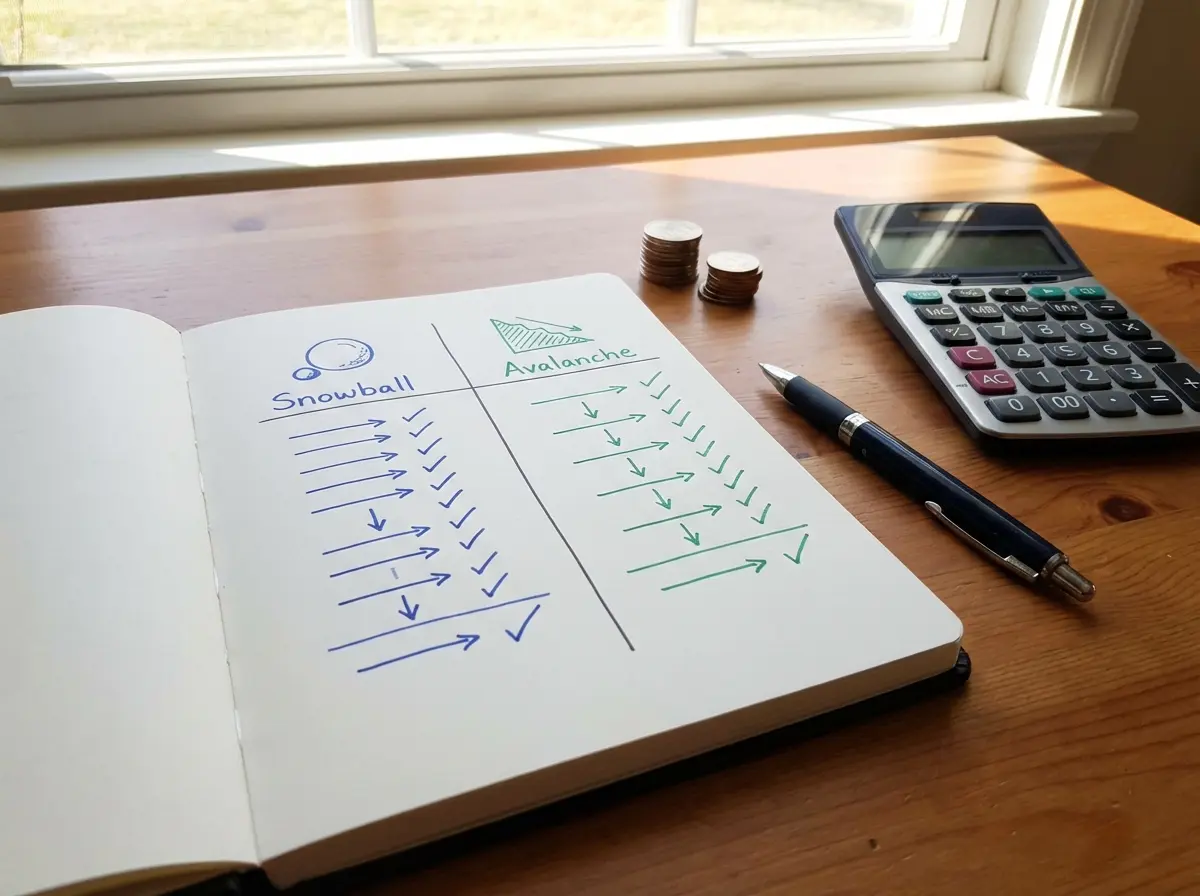
Choosing the correct debt repayment strategy directly impacts how quickly your credit score recovers from high balances. Two highly popular approaches dominate the personal finance discussion: the debt avalanche and the debt snowball methods. Both structured systems require you to make minimum payments on all accounts while heavily targeting one specific balance.
The debt avalanche method focuses exclusively on attacking the account carrying the highest interest rate first. This mathematical approach logically saves you the most money in interest charges over the life of your loans. From a credit scoring perspective, this specific strategy works exceptionally well if your highest interest account also carries a high utilization rate. Eliminating maxed-out accounts rapidly improves your individual account utilization metrics.
Conversely, the debt snowball method prioritizes paying off the account with the smallest overall balance first. Consumers often prefer this psychological approach because it provides quick motivational wins that build powerful momentum over time. Eliminating a small balance entirely can also provide a modest boost to your credit score by reducing the total number of accounts carrying outstanding balances.
Always keep your credit card accounts open after paying off the balances in full. Closing old accounts reduces your total available credit and temporarily damages your average age of accounts.
How to Lower Your Credit Utilization Ratio for Credit Score Improvement
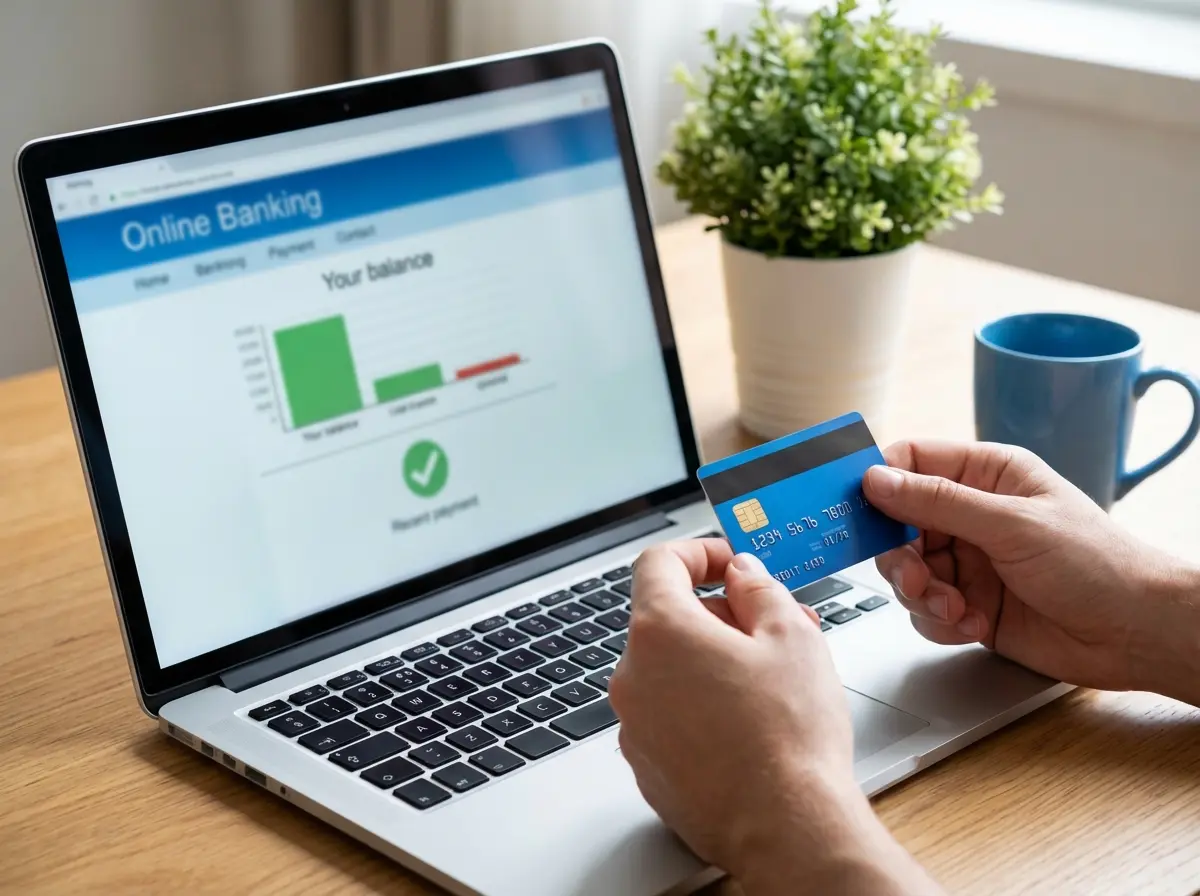
Managing your credit utilization ratio offers the fastest available path to achieving significant score improvements. Because utilization updates every single time a creditor reports to the bureaus, you can see visible results within weeks. You have several highly effective strategies available to manipulate this ratio favorably while continuing your primary debt payoff journey.
Lowering your current balances obviously reduces your utilization, but you can also approach the mathematical equation from the opposite side. Increasing your total available credit limit immediately dilutes the negative impact of your current outstanding balances. You must execute this strategy carefully to avoid the temptation of accumulating new debt on the recently increased credit lines.
Timing your payments correctly also plays a crucial role in managing your officially reported utilization ratio. Creditors typically report your current balance to the major bureaus on your statement closing date, rather than your actual payment due date. Understanding this specific timeline allows you to strategically show lower balances on your official credit report each month.
How to Optimize Your Utilization While Paying Debt
Request a Credit Limit Increase
Contact your current credit card issuers and politely ask for a higher credit limit. Specifically request that they process this increase using a soft pull to avoid adding a hard inquiry to your report.
Make Multiple Micro-Payments
Send smaller payments every single week instead of waiting to make one large payment at the end of the billing cycle. This strategy consistently keeps your ongoing balance lower throughout the entire month.
Pay Before the Statement Closing Date
Identify the exact date your statement closes each month and submit your payment two days prior. The issuer will then report a significantly lower balance to the credit bureaus.
Managing a Hard Inquiry and New Credit Accounts
While aggressively paying off debt improves your score, applying for new credit lines can temporarily harm your progress. Every time you submit a formal application for a loan or credit card, the prospective lender performs a hard inquiry. These hard inquiries remain visible on your credit report for two full years and generally lower your score for the first 12 months.
You should actively avoid opening unnecessary accounts while trying to rebuild your fragile credit profile. Sometimes opening best balance transfer credit cards makes mathematical sense for debt consolidation, but you must carefully weigh the financial benefits against the initial score drop. Limit your formal credit applications exclusively to products that offer a clear mathematical advantage for your overall debt payoff strategy.
Soft inquiries, on the other hand, do not negatively affect your credit score in any capacity. Checking your own credit report or receiving pre-approved promotional offers generates a soft pull that potential lenders cannot see. You can safely monitor your improvement progress without worrying about unintentionally damaging your newly elevated score.
Do not apply for multiple credit cards at once hoping to increase your total available credit. Multiple hard inquiries in a short timeframe signal financial distress to lenders and severely drop your score.
Addressing Collections and Credit Report Negative Marks
Outstanding collections accounts act as massive financial anchors holding down your overall credit score. You must address these severe negative marks systematically if you genuinely want to see meaningful improvements in your profile. Ignoring active collections will only prolong the financial damage, as these derogatory accounts typically remain visible for seven full years.
You can sometimes negotiate a “pay for delete” agreement with certain collection agencies to remove the account entirely. In this specific scenario, you agree to pay the debt in exchange for the agency erasing the collection from your credit report. Get this formal agreement in writing before sending any funds, as verbal promises hold absolutely no legal weight.
If you spot inaccurate negative marks on your credit profile, you must exercise your legal right to dispute them immediately. The Fair Credit Reporting Act requires the credit bureaus to formally investigate consumer disputes within 30 days of receipt. Successfully removing erroneous late payments or fraudulent collections can dramatically increase your score almost overnight.
- Address outstanding collections quickly, as they cause severe damage to your credit profile.
- Always demand written confirmation for any negotiated pay-for-delete agreements.
- Regularly dispute inaccurate negative marks directly with the three major credit bureaus.
Maintaining Momentum for Long-Term FICO Score Growth
Building excellent credit requires highly consistent habits applied over an extended period of time. You need reliable systems firmly in place to prevent future missed payments or creeping credit card balances. Financial automation serves as your absolute best defense against simple human error and overly busy schedules.
Set up automatic minimum payments for every single debt account you currently manage. This simple safety net guarantees you will never suffer a disastrous 30-day late mark on your credit report again. You can always log into your accounts to make additional manual payments to accelerate your chosen debt payoff strategy.
Regular credit monitoring allows you to track your ongoing progress and catch potential identity theft early. Federal law entitles you to access free weekly reports from all three major bureaus through AnnualCreditReport.com. Review these important documents carefully to verify that your aggressive debt payoff efforts accurately reflect on your official profile.
Conclusion
Improving your credit score while systematically eliminating debt requires patience, strategy, and highly disciplined financial habits. By thoroughly understanding the scoring algorithms, you can make calculated decisions that optimize your utilization and payment history. Every single dollar you pay down mathematically strengthens your financial foundation and brings you considerably closer to excellent credit.
Remember that permanent credit repair functions as a marathon rather than a quick sprint to the finish line. Focus heavily on controlling the variables within your direct reach, like payment timing and targeted debt reduction. Your credit score will naturally climb as you continue making responsible financial choices and aggressively reducing your outstanding obligations.