

Millions of Americans balance multiple forms of consumer debt at the exact same time. Learning how to pay off car loans and credit card debt at the same time requires a strategic approach to avoid unnecessary interest charges. A focused attack plan eliminates financial friction and accelerates your path toward total financial freedom.
Many consumers feel paralyzed by the sheer volume of their monthly financial obligations and high interest rates. They spread their extra cash thinly across every account without making meaningful progress anywhere. Implementing effective debt payoff strategies eliminates this friction and accelerates your path to financial freedom.
Before you pay off a car loan and credit card debt simultaneously, you must organize your financial data. Grab your most recent statements for every single liability you currently hold to assess your total consumer debt. You need clear visibility into your exact balances, minimum monthly obligations, and annual percentage rates.
Do you know exactly how much interest you pay each month? Most consumers severely underestimate the true cost of their borrowed capital over time. According to the Federal Reserve, average credit card interest rates frequently exceed twenty percent annually.
Credit cards typically carry variable interest rates that compound daily based on your average daily balance. Auto loans usually feature fixed interest rates structured through simple interest amortization schedules. This fundamental difference dictates exactly how you should prioritize your extra monthly payments for effective debt payoff strategies.
The Two Core Strategies for How to Pay Off Car Loan and Credit Card Debt at the Same Time
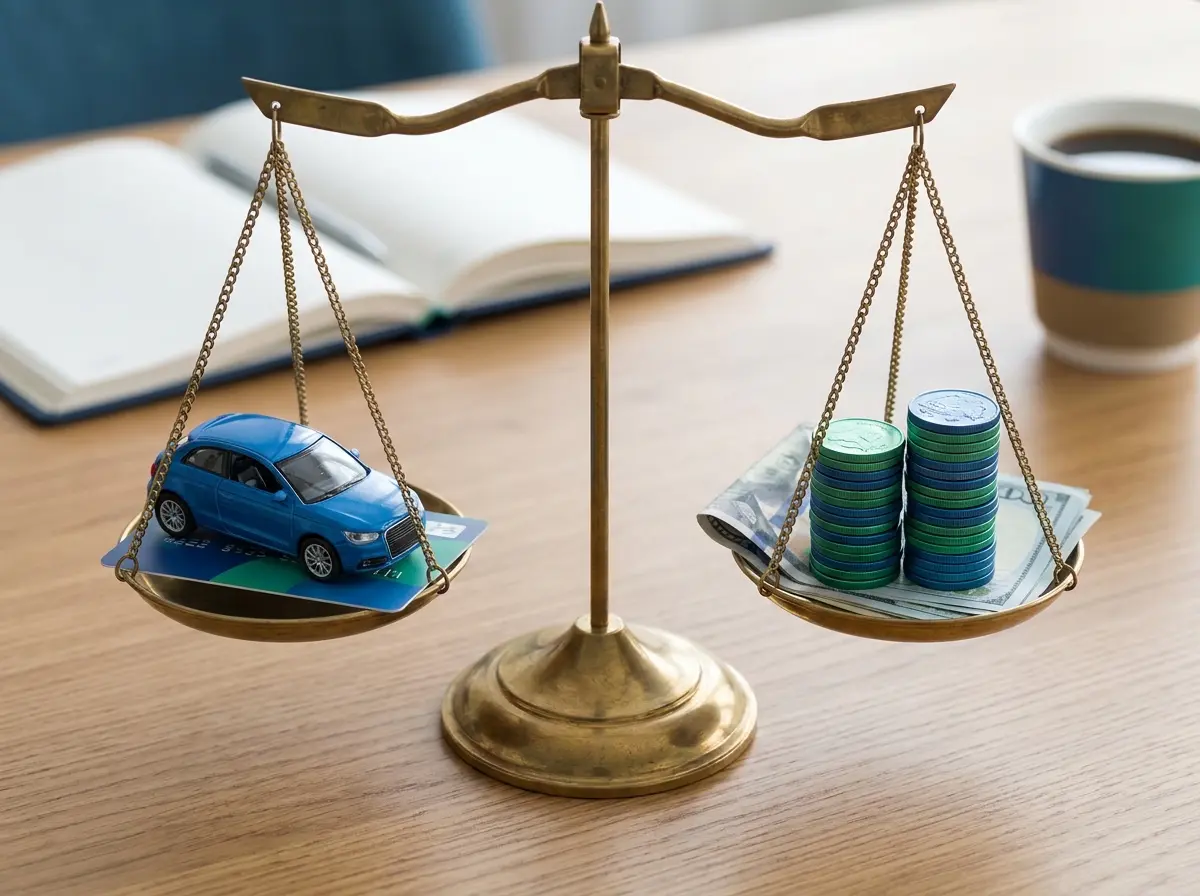
Financial analysts generally recommend specific frameworks for eliminating multiple debt sources simultaneously. Both methods require you to maintain perfect minimum payments across all your active accounts. You then direct every available extra dollar to one specific target account until it reaches zero.
The Debt Avalanche Framework: High-Interest Debt Payoff Strategies
The avalanche method prioritizes the account with the highest annual percentage rate. For most consumers, this means attacking credit card balances long before touching the auto loan. This purely mathematical approach minimizes the total interest you pay over the life of your debt.
By targeting the most expensive debt first, you stop the aggressive compounding cycle in its tracks. Credit card interest drains your wealth much faster than a standard auto loan, making it a priority for debt payoff strategies. Once you clear the most expensive card, you roll that payment into the next highest rate.
The Debt Snowball Framework: Psychological Debt Payoff Strategies
The snowball method focuses entirely on the account with the smallest total principal balance. You ignore interest rates completely and aggressively pay down that smallest debt first. This generates quick psychological wins that keep you motivated throughout a long financial journey.
Many behavioral economists favor this approach because personal finance relies heavily on human psychology. Seeing an account balance hit exactly zero provides a massive boost of dopamine. You then take the money you were paying on that eliminated debt and attack the next smallest balance.
- Organize your balances, interest rates, and minimum payments before starting.
- The avalanche method saves the most money by targeting high-interest debt first.
- The snowball method builds motivation by clearing small balances quickly.
How to Execute Your Dual Debt Payoff Plan: Managing Consumer Debt Efficiently
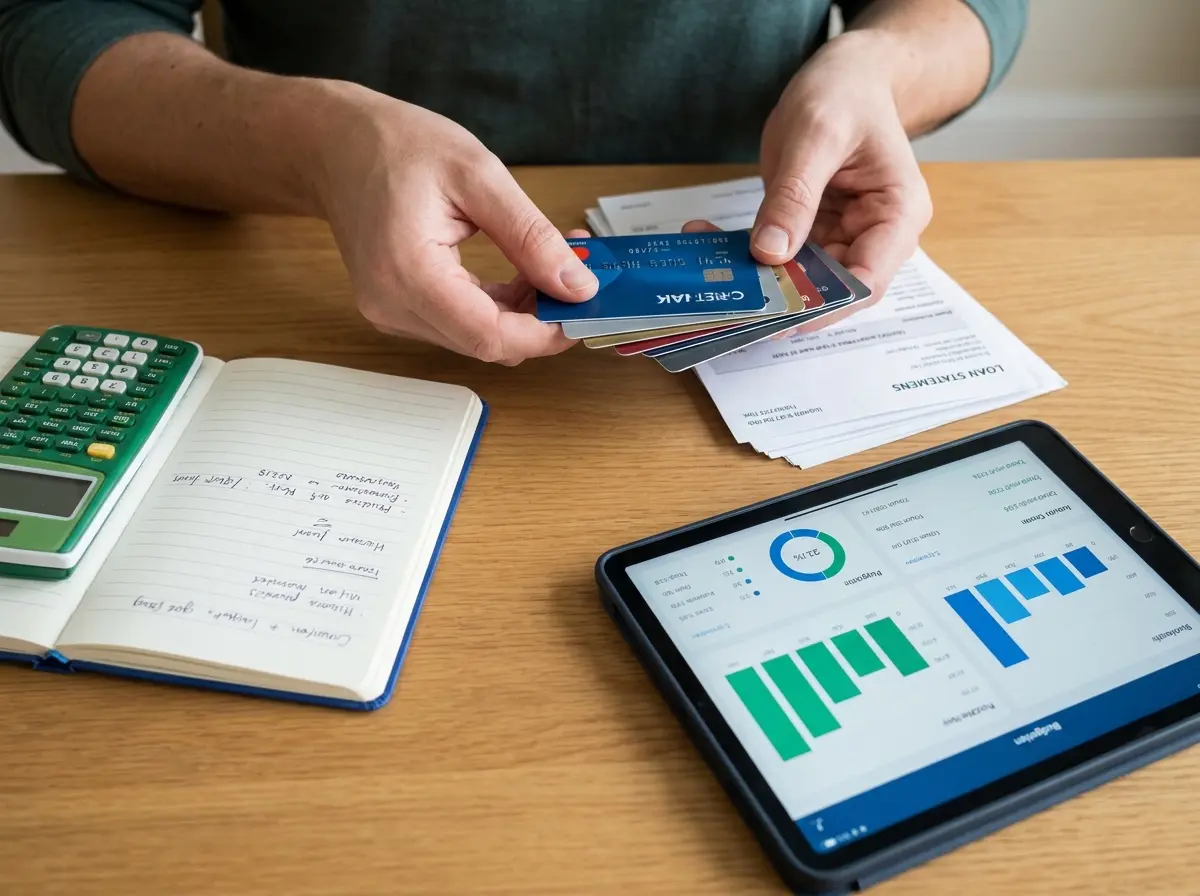
Putting these concepts into practice requires a highly disciplined, step-by-step approach. You cannot simply throw random amounts of money at different accounts and expect rapid progress. A structured plan prevents wasted effort and accelerates your timeline significantly.
Organizing your financial life takes an afternoon of focused work, but it pays dividends for years. You must build a system that runs automatically in the background of your daily routine. This automation removes human error and keeps you entirely focused on your ultimate goal of managing consumer debt.
Step-by-Step Implementation
Audit Your Cash Flow
Review your monthly income and trace every single expense to find extra capital for debt repayment.
Establish a Starter Emergency Fund
Save one thousand dollars in a separate account to protect yourself from relying on credit cards during emergencies.
Automate Your Minimums
Set up automatic payments for the minimum due on every account to prevent late fees and credit damage.
Setting up these initial steps creates a solid foundation for your financial recovery. You eliminate the risk of late fees while protecting yourself against emergency expenses. Once your baseline system runs automatically, you can focus entirely on aggressive debt reduction.
Track your progress on a highly visible calendar or spreadsheet to maintain focus. Watching the principal balances decrease month after month reinforces your commitment to the process. Consistency matters far more than occasionally making a massive, unsustainable lump sum payment.
Specific Refinancing Strategies: Optimizing Auto Loans and Credit Cards
Car loans and credit cards behave differently, which opens up specific tactical opportunities for each. You can leverage the collateralized nature of your vehicle to improve your loan terms. Meanwhile, the highly competitive credit card market offers tools to temporarily freeze interest accrual.
Refinancing Your Auto Loan for Better Interest Rates
If your credit score has improved since purchasing your vehicle, you should consider auto refinancing. Lenders often offer a lower interest rate that reduces your monthly obligation immediately. You can then redirect those newly generated monthly savings straight into your credit card payments.
Check your current vehicle value through Kelley Blue Book to verify you have positive equity. Lenders rarely approve a refinance application if you owe more than the car is worth. Shop around with local credit unions and online banks to find the most competitive rates available.
Consolidating Credit Card Balances with a Balance Transfer
High-interest revolving debt drains your resources faster than almost any other financial liability. A zero percent balance transfer credit card provides a brief window to pause interest charges entirely. This allows your entire payment to attack the principal balance rather than servicing heavy interest fees.
Balance transfers typically charge an upfront fee ranging from three to five percent of the total amount moved. Calculate whether the long-term interest savings actually outweigh this immediate cost before applying.
You must commit to paying off the transferred balance before the promotional period expires. If you fail to clear the debt, the remaining balance will instantly revert to a punitive interest rate. Treat this promotional window as a strict deadline rather than a flexible suggestion.
Alternatively, you might explore a personal consolidation loan to streamline your monthly payments. A fixed-rate personal loan pays off your variable-rate credit cards and leaves you with one predictable payment. This strategy works beautifully as long as you stop making new purchases on the cleared credit cards.
Freeing Up Monthly Cash Flow: Accelerating Your Debt Payoff Strategies
No payoff strategy works effectively without sufficient capital to fund your extra payments. You have two fundamental levers to pull: decreasing your monthly expenses or increasing your total income. Aggressive debt elimination usually requires you to activate both of these levers simultaneously.
How much faster could you clear your balances with an extra two hundred dollars a month? Start by auditing your monthly subscriptions and eliminating any services you rarely use. You can also negotiate better rates on recurring bills like internet service or auto insurance.
Review your daily spending habits to find hidden leaks in your budget. Packing a lunch instead of eating out can easily save you hundreds of dollars every month. Read up on budgeting strategies for debt repayment to find a system that fits your lifestyle.
Generating additional income provides the fastest path to becoming entirely debt-free while managing consumer debt. Consider taking on freelance work, selling unused items around your house, or requesting overtime hours. Apply one hundred percent of this supplemental income directly to your targeted payoff account.
Protecting Your FICO Credit Score: Maintaining Credit Health During Repayment
Your credit score fluctuates heavily based on your credit utilization ratio and payment history. Paying down your credit cards aggressively will drastically improve your utilization metric over time. This improvement often results in a rapid increase in your overall credit score.
Do not close your credit card accounts immediately after you pay them off. According to Experian, your credit utilization ratio makes up thirty percent of your overall FICO score. Keep the accounts open with a zero balance to maximize your credit rating benefits.
Your auto loan contributes to your credit mix, which makes up ten percent of your score. When you finally pay off the vehicle, you might see a temporary, minor drop in your score. This happens because an active installment loan closes, but the long-term financial benefit far outweighs a temporary dip.
Maintaining Motivation Through the Debt Repayment Journey
Paying off thousands of dollars in consumer debt represents a marathon, not a sprint. You will likely experience moments of frustration when progress feels incredibly slow. Establishing clear milestones helps break the massive goal into highly manageable, bite-sized pieces.
Celebrate your victories responsibly when you hit specific milestones along the way. Treat yourself to an inexpensive dinner or a relaxing evening when you clear a specific card. These small rewards reinforce positive financial behaviors without derailing your overall progress.
Surround yourself with supportive people who understand your financial goals and respect your budget. Avoid social situations that pressure you into spending money you have designated for debt repayment. Staying disciplined requires a strong environment that encourages your financial responsibility.
Conclusion
Eliminating a car loan and credit card balances simultaneously takes considerable patience and discipline. You must understand your interest rates, pick a clear strategy, and consistently apply extra payments. Stay focused on your primary target account while maintaining a perfect payment history across the board.
Financial freedom sits on the other side of this temporary period of strict budgeting. As you watch those balances drop month after month, your confidence will grow exponentially. Stick to the mathematical framework you chose, and you will eventually clear every single balance.
- Choose either the avalanche or snowball method and stick to it consistently.
- Explore auto refinancing and balance transfers to reduce your total interest burden.
- Keep your credit card accounts open after paying them off to protect your credit score.