

Millions of hardworking Americans struggle with high-interest credit card balances and expensive personal loans every single year, often seeking ways to consolidate debt effectively. Many individuals turn to a unified payment plan as a financial lifeline to manage their mounting monthly bills. However, after experiencing the long-term results, a growing number of consumers eventually find themselves wondering: is debt consolidation a trap?
Debt cobalance-transfer credit cards, or home equity lines of credit for this ff multiple existing financial liabilities at once. This standard process leaves you with a single monthly payment and ideally a much lower interest rate. Borrowers typically use personal installment loans, balance transfer credit cards, or home equity lines for this specific purpose.
The primary appeal lies in simplifying your financial obligations and significantly reducing your overall interest burden. Lenders market these financial products heavily to consumers who feel completely overwhelmed by multiple conflicting due dates. Yet, the underlying financial habits that created the original credit card debt often remain completely unaddressed by these new loans.
According to recent data from the Federal Reserve, total consumer borrowing in the United States recently surpassed massive record highs. With so much money on the line, financial institutions aggressively push consolidation products to capture more market share. You must understand the exact mechanics of these personal loans before signing any binding agreements with a new bank.
- Consolidation replaces multiple high-interest debts with one single monthly payment.
- The process does not erase the principal amount you originally borrowed.
- Underlying consumer spending habits must change for the strategy to succeed.
Warning Signs: Identifying if Your Debt Consolidation Loan is a Trap

Financial products designed to help consumers can sometimes make their economic situations significantly worse over time. You need to recognize the subtle red flags associated with predatory lending and poorly structured consolidation loans. Understanding these clear warning signs protects your long-term credit score profile and prevents further damage to your financial health.
Hidden Fees and High Interest Rate Risks in Personal Loans
Some aggressive lenders charge massive origination fees that immediately increase your total principal balance before you even start. A loan might advertise a remarkably low initial rate that spikes dramatically after a brief introductory period ends. Read the fine print carefully to identify expensive balance transfer fees, strict prepayment penalties, and hidden annual charges.
The Illusion of Progress When Managing Credit Card Debt
Moving your outstanding balances from five different credit cards to one personal loan feels like a massive accomplishment. Unfortunately, this sudden emotional relief often tricks consumers into believing they have actually eliminated their underlying financial obligations. The original credit card limits are now available again, creating a highly dangerous temptation to resume reckless spending.
Do not use the credit cards that you recently paid off with a consolidation loan. Leaving the accounts open helps your credit score, but you must lock away the physical cards to prevent new charges.
Predatory Lending Practices
Certain aggressive companies target vulnerable consumers with promises of guaranteed approval and massive debt reduction without any effort. These questionable organizations often operate as debt-settlement firms rather than as true consolidation lenders that offer legitimate financial products. The Consumer Financial Protection Bureau regularly warns Americans about specific schemes that charge upfront fees without providing real relief.
When Does a Debt Consolidation Loan Make Financial Sense for Your Future?
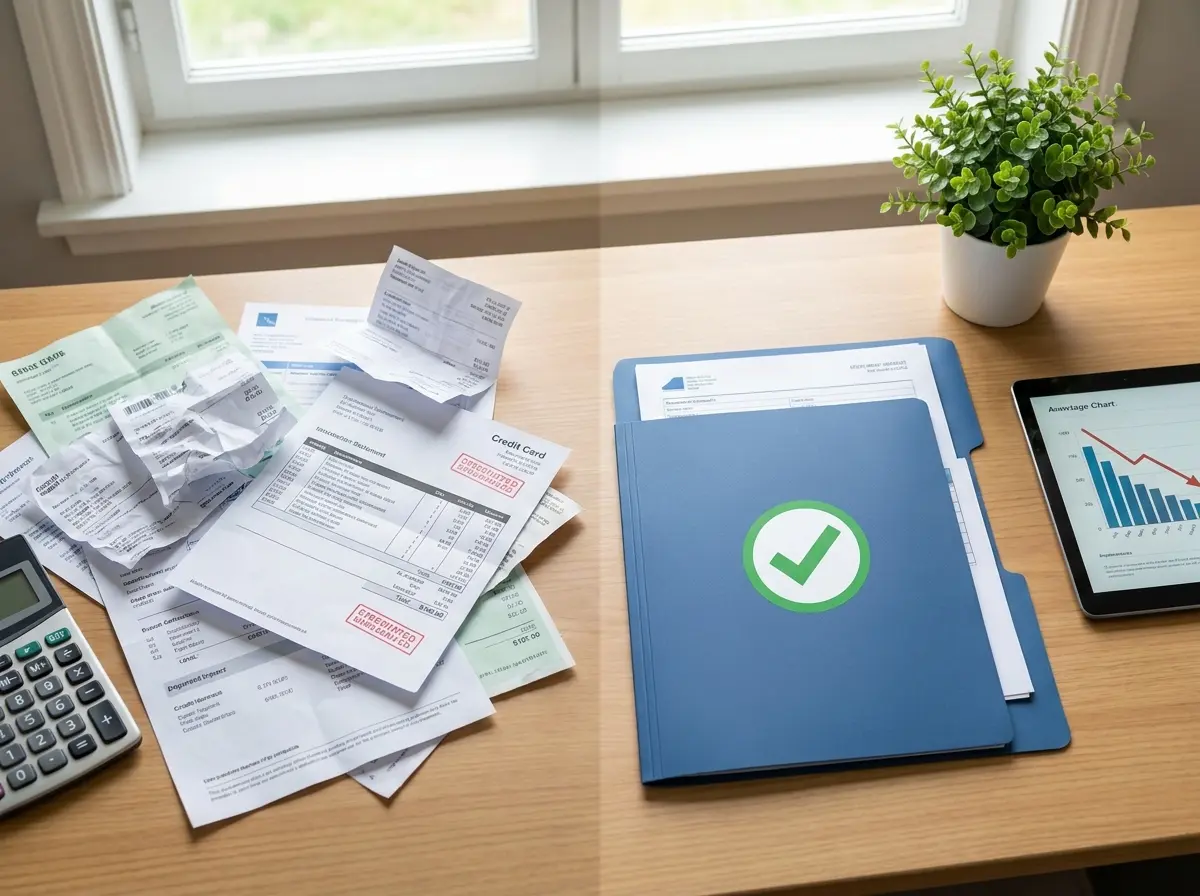
We must acknowledge that consolidation works incredibly well for certain types of highly disciplined and organized borrowers. The strategy shines brightest when you can secure an interest rate significantly lower than your current credit average. This mathematical advantage allows more of your monthly payment to attack the principal balance directly instead of enriching lenders.
Borrowers with strong credit scores typically receive the most favorable lending terms from reputable national banks and credit unions. A credit score above 700 usually unlocks access to balance-transfer cards with zero percent introductory periods. These promotional offers give you a clear window to eliminate the principal without accumulating any additional interest charges.
Long-term success also requires a concrete budget and a fundamental shift in your daily spending behaviors. You must commit to living well below your means while aggressively paying down the newly established loan structure. If you address the root causes of your financial shortfall, consolidation accelerates your journey to total economic freedom.
The Psychological Impact of Managing Credit Card Debt and Financial Stress
Severe financial distress takes a heavy toll on your mental health and your daily psychological well-being. Constant phone calls from aggressive collection agencies create a persistent state of anxiety that damages your personal relationships. A consolidated loan often provides immediate emotional relief by stopping the relentless harassment from multiple frustrated creditors.
This sudden drop in psychological stress levels can, unfortunately, lead to a completely false sense of financial security. When the phone finally stops ringing, many relieved borrowers revert to the exact behaviors that caused their monetary problems. You must maintain a strong sense of urgency even after you successfully secure a more manageable payment structure.
Behavioral economists frequently note that humans struggle to connect their current purchasing actions with distant future consequences. Charging an expensive dinner to a credit card feels rewarding today, while the actual bill arrives several weeks later. A successful financial recovery requires you to break this cognitive disconnect and track every single purchase actively.
Many consumers fail to realize that debt represents borrowed future time. Every dollar you owe today requires you to trade hours of your future labor just to pay the interest charges.
How to Consolidate Debt Safely to Improve Your Credit Score
Taking full control of your financial obligations requires a highly structured and incredibly disciplined personal approach. You can protect yourself from predatory practices by following a clear, methodical process before committing to any new loans. Here is exactly how to evaluate your various options and execute a completely safe debt consolidation strategy.
Safe Debt Consolidation Process
Calculate Your Current Obligations
List all of your existing accounts, current interest rates, and minimum monthly payments to understand your exact baseline.
Check Your Credit Profile
Review your official credit report for errors and determine what interest rates you actually qualify for right now.
Compare Lender Offers
Obtain multiple pre-approval quotes from local credit unions, national banks, and reputable online lending platforms before making decisions.
Close the Spending Loophole
Implement a strict cash-only budget immediately to prevent accumulating any new balances on your recently cleared credit accounts.
Executing these specific steps deliberately prevents you from rushing into a highly disadvantageous and expensive financial agreement. Take your time to review the mandatory disclosures and calculate the total cost of the new loan over its entire lifespan. Patience during this critical evaluation phase frequently saves borrowers thousands of dollars in unnecessary and avoidable interest charges.
Many consumers feel a false sense of urgency when creditors constantly pressure them for immediate monthly payments. You must resist the urge to accept the very first consolidation offer that lands in your email inbox. Taking an extra week to compare rates will not ruin your credit score, but accepting a terrible loan certainly might.
Local credit unions frequently offer significantly better interest rates on personal loans than large national banks. Establishing a relationship with a community institution provides access to more favorable and flexible lending terms.
Effective Alternatives to a Debt Consolidation Loan for Debt Relief
You might quickly discover that a new loan simply does not fit your current financial reality or budget constraints. Borrowers with poor credit histories often face outright rejection or receive offers with astronomical interest rates that provide no real benefit. Fortunately, several other highly reliable methods exist to help you conquer your outstanding balances without taking on new loans.
A debt management plan organized by reputable non-profit credit counseling agencies offers an excellent alternative for struggling consumers. These helpful organizations negotiate directly with your creditors to lower your interest rates and waive expensive late penalties. The National Foundation for Credit Counseling connects consumers with certified advisors who structure these highly effective repayment programs.
You can also utilize aggressive personal repayment strategies like the debt avalanche or the popular debt snowball method. The avalanche method prioritizes high-interest accounts first, which mathematically saves you the most money over your entire repayment timeline. Alternatively, the snowball method focuses on the smallest balances first to build psychological momentum and maintain your daily motivation.
Conclusion: Is Debt Consolidation a Trap or Your Path to Financial Freedom?
The ultimate question remains: Is debt consolidation a trap for the average American consumer? The final answer depends entirely on your personal financial discipline and the specific terms of the loan you accept. For consumers who fail to change their spending habits, this strategy absolutely becomes a highly dangerous financial snare.
However, for disciplined borrowers who secure lower interest rates, it serves as a powerful debt-elimination tool. You must evaluate your own behavioral patterns honestly before signing a new loan agreement with any financial institution. Restructuring your current liabilities only works if you simultaneously restructure your daily relationship with money and consumer spending.
Take the necessary time to explore your personal finance options thoroughly before making a final binding commitment. Speak with certified credit counselors, compare multiple lending institutions, and build a highly sustainable monthly household budget.
Find out if debt consolidation is right for you with Lendwyse. With the right strategic approach, you can escape the cycle of high-interest borrowing and achieve lasting financial freedom and stability.
- Always calculate the total long-term cost before accepting any new financial consolidation product.
- Credit counseling and debt management programs offer highly viable alternatives for borrowers with poor credit.
- True financial freedom requires permanent behavioral changes alongside any mechanical loan restructuring.